Introduction
A dimmer switch may look like one of the simplest electrical fittings in your home, but the work behind getting one to perform properly is anything but basic. Bulb compatibility, lighting circuit conditions, and UK building regulations all influence whether your dimmer switch installation delivers smooth, reliable control or constant frustration. Rose Electrical has helped countless UK households move beyond harsh overhead lighting into genuinely flexible, ambient living spaces. This guide walks through the practical reasons expert fitting matters, what truly goes on behind the faceplate, and why a qualified electrician remains the right choice for this seemingly small upgrade.
Understanding What a Dimmer Switch Really Does
A dimmer is not simply a switch with extra settings. Inside the small casing sits a circuit board that regulates how much electrical current reaches your bulbs, allowing you to glide from full brightness down to a soft glow. Older designs were built for traditional halogen and incandescent lamps that responded predictably to changes in voltage. Modern LED technology behaves very differently, which is why the dimming module inside the switch must match the light source in use.
This is where most lighting frustrations begin. The wrong unit paired with the wrong bulb is one of the most common reasons UK homeowners experience flickering, buzzing, or a narrow dimming range. A trained eye can spot the right pairing immediately, whereas guessing in a shop aisle often leads to ongoing problems that cost more to fix than the switch itself.
How Modern Lighting Circuits Affect Installation
Lighting circuits in UK homes vary considerably depending on the age of the property, the previous electrical work, and the type of fittings already in place. Newer homes often have neutral wires available at switch positions, which makes installing smart dimmers far more straightforward. Older terraced houses, Victorian conversions, and Edwardian properties frequently have cabling that pre-dates these conversions, meaning the connections at the switch position may be incompatible with certain modern designs.
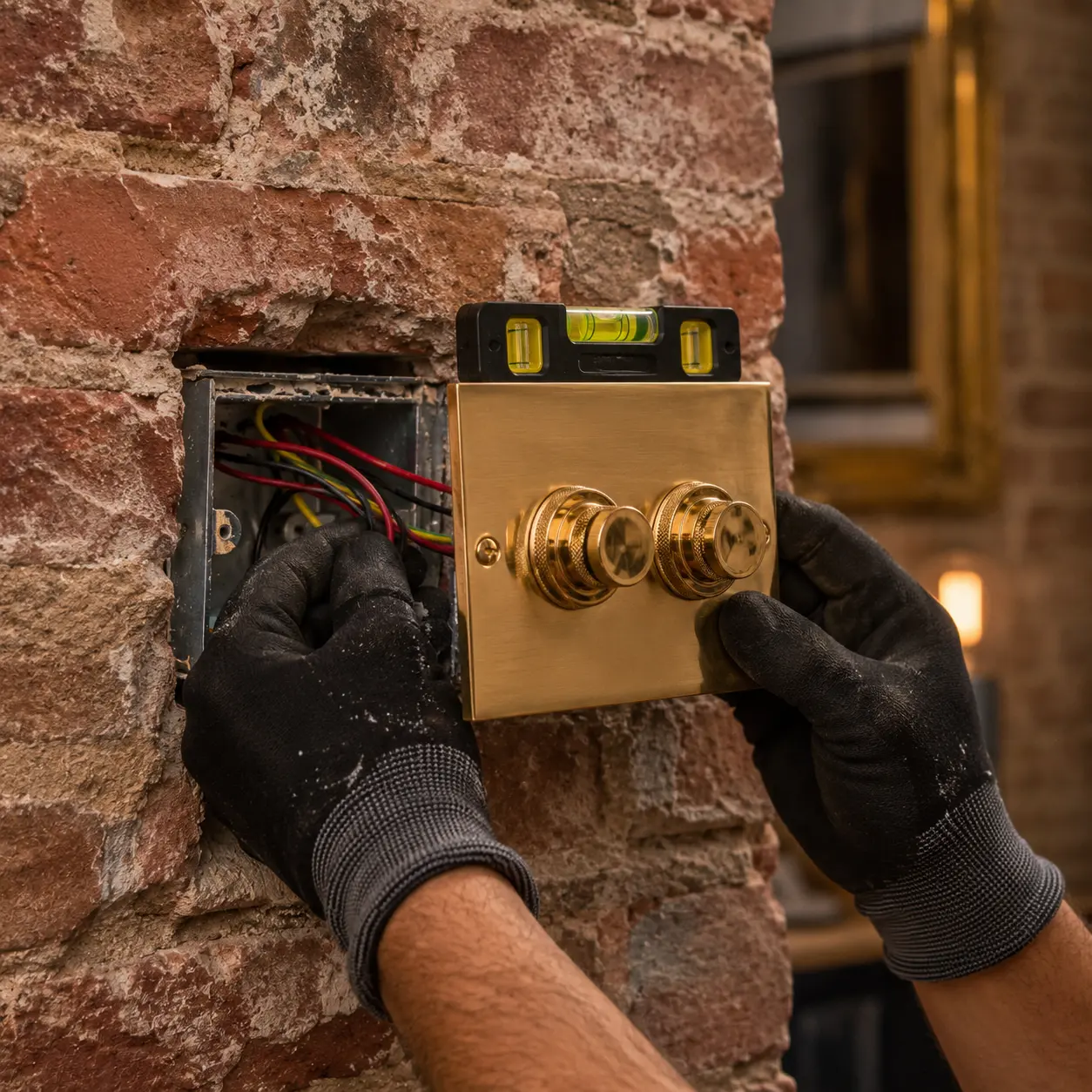
A qualified electrician will check the existing wiring before touching anything, identifying the type of circuit you have and selecting a unit that matches. This avoids the all too common scenario where a homeowner buys a smart dimmer online, opens up the back box, and discovers the cabling will not support it.
The Real Difference Energy Efficient Dimming Makes
Lowering brightness reduces the load drawn through the circuit, which in turn lowers power consumption. When paired with dimmable LED bulbs, this combination becomes one of the most economical lighting strategies a UK household can adopt. With energy costs remaining a concern across the country, even modest reductions in daily lighting use add up across long winter evenings and dark autumn mornings when indoor illumination dominates household electricity use.
The benefit, however, only materialises when the dimmer and lamp work in harmony. Overloaded units waste energy as heat, while underloaded ones can fail to maintain stable performance. An experienced installer accounts for the dimmer’s load range and ensures the chosen bulbs fall comfortably within it, delivering genuine savings without compromising performance.
Why Bulb Lifespan Improves With Proper Installation
Bulbs are designed to operate within specific tolerances. Constant exposure to full voltage generates heat, which accelerates the wear of internal components, particularly in LED drivers. Running fittings through a properly configured dimmer reduces this thermal stress and extends their working life considerably.
The catch is that this only works when the unit respects the lamp’s electrical characteristics. Cheap or mismatched modules can lead to unstable performance and premature bulb failure rather than extending lifespan. A properly earthed circuit also protects LED drivers from voltage spikes. A professional electrician will calculate the correct load, account for the bulb technology in use, and ensure your dimming setup protects rather than punishes your fittings.
Lighting That Shapes the Way You Live
The atmosphere of a room is shaped as much by light as by furniture or colour scheme. Harsh overhead illumination may suit cooking or reading, but it rarely matches the quiet rhythm of an evening at home. A well-fitted dimmer allows the same light source to switch between bright task lighting and gentle ambient glow without any compromise.
Many UK households use these controls most heavily in their main living areas, where the room serves multiple purposes throughout the day. The same lounge can hold a family film night, a working from home session, and a quiet evening reading by lamplight, all without changing fittings. Bedrooms, dining rooms, kitchens, and hallways each have their own ideal lighting moments, and dimming controls make those moments achievable.
Why Bathrooms Deserve Extra Care
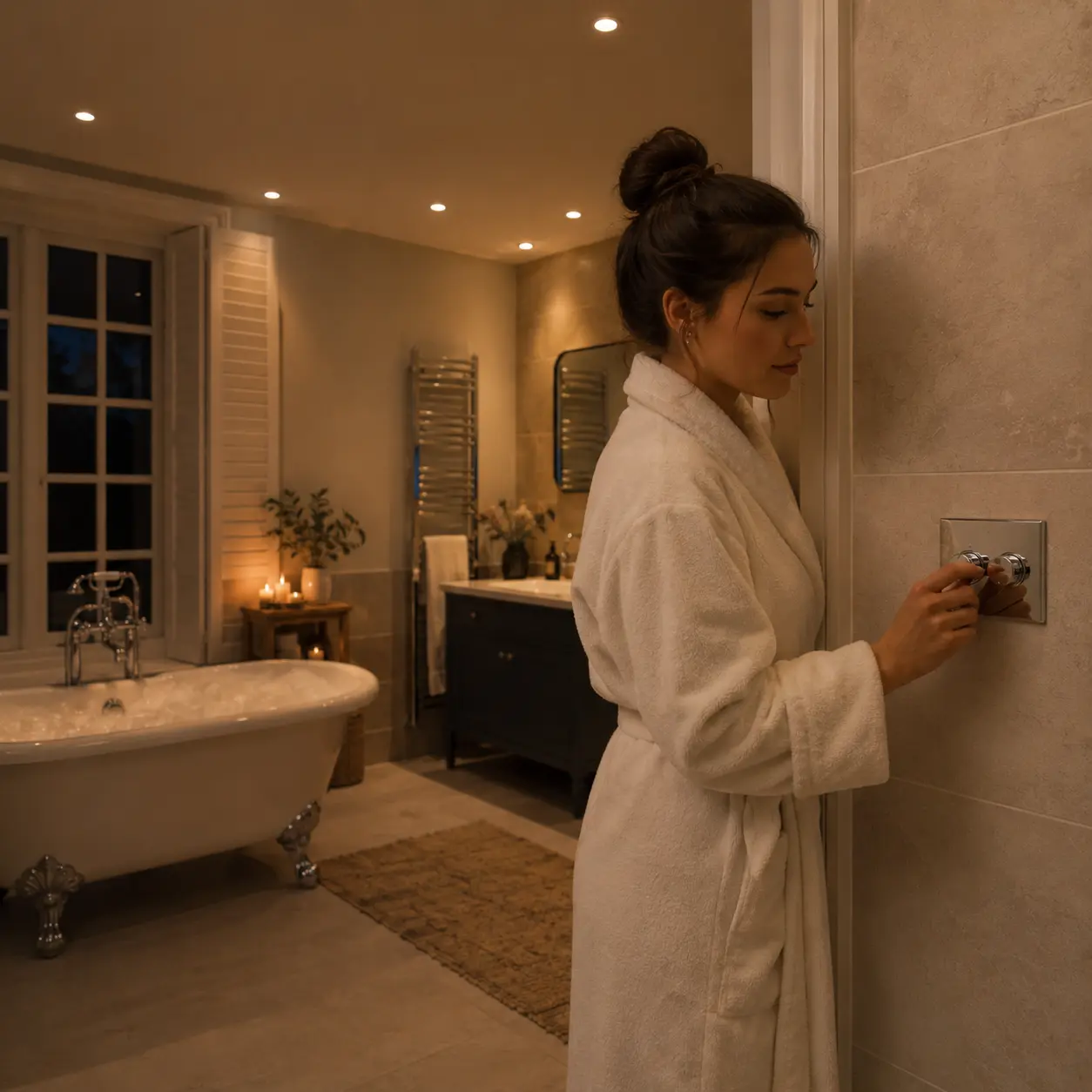
Bathroom lighting in the UK is subject to specific zoning rules that govern which fittings can be used in which areas. Zone 1 sits directly above showers and baths, zone 2 covers the immediate surrounding area, and zone 3 includes the wider room space. Each zone has its own IP rating requirements that protect electrical components from steam, splashing, and direct water contact.
Fitting a dimmer in a bathroom is not impossible, but it must be the right type and placed in the right location. Standard units often cannot be installed within the bathroom itself, requiring either remote dimming options or careful placement outside the room. We handle these installations regularly, ensuring full compliance with current bathroom zone regulations while still delivering the relaxing soft lighting that makes a bath at the end of a long day feel restorative.
Smart Dimming and the Connected Home
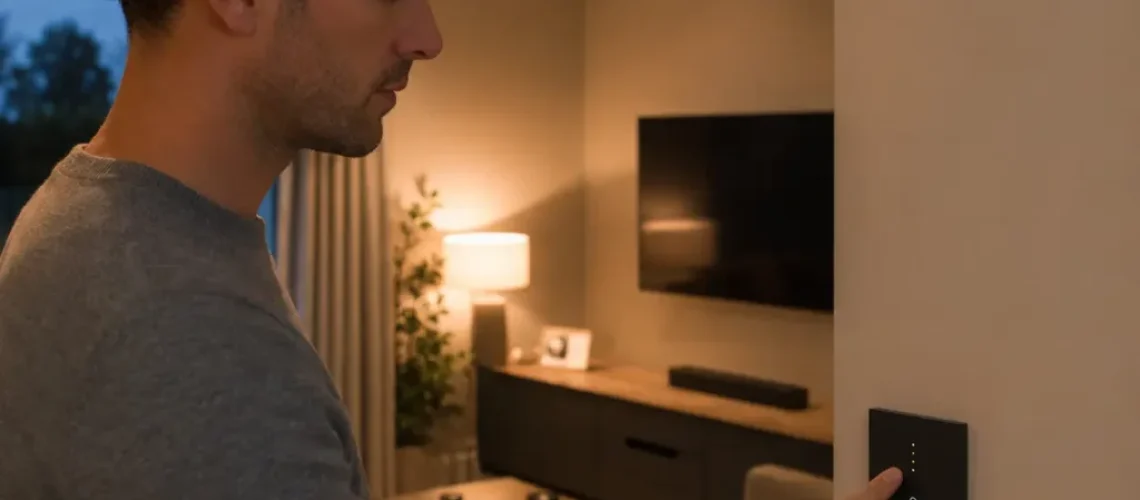
UK households are gradually embracing smart home systems, and lighting often sits at the heart of these setups. Smart dimmer switches allow voice control through Alexa, Google Home, or Apple HomeKit, alongside scheduled scenes that gently brighten in the morning, soften through the evening, and dim further at bedtime. The convenience is genuine, but the setup is where many self-fit attempts run aground.
These modern units often need a neutral wire at the switch position, which older properties may not have. They also require correct configuration with their accompanying hub or app, and they must communicate reliably with other smart devices in the home. Expert hands remove these obstacles, ensuring your connected lighting works the first time and continues to perform without endless app troubleshooting.
The Hidden Risks of DIY Dimmer Fitting
It is tempting to view a switch swap as a quick weekend job, but lighting circuit alterations involve fixed electrical work that should always be handled carefully. Any work that affects the wiring of your home carries real safety implications, and unqualified electrical work can also affect the validity of your home insurance should something go wrong later. Basic electrical safety measures, such as isolating the circuit properly and avoiding any work on live wiring, are essential whenever lighting circuits are being altered. In some commercial and rental properties, lighting upgrades may also need to comply with routine electrical inspection requirements under current UK safety standards.
Self installations frequently result in loose terminations that overheat over time, mismatched components that cause buzzing or flickering, and incorrect earthing that creates genuine shock hazards. Even when the switch appears to work initially, hidden faults can develop into more serious problems weeks or months later. The cost of putting things right almost always exceeds what proper fitting would have cost in the first place.
Period Properties and Older Wiring
UK homes built before the 1970s often retain elements of their original electrical installation, including rubber-insulated cables, fabric-covered flex, or rewirable fuse boxes. Adding modern dimming controls to these systems demands careful judgment. The cabling may need partial replacement or a full upgrade before new fittings can be safely added.
This is one area where specialist expertise becomes essential rather than optional. Rose Electrical regularly assesses period properties to determine whether existing circuits can support modern lighting controls or whether sympathetic rewiring is needed first. Listed buildings and character properties also bring their own considerations, balancing heritage features with the practical needs of contemporary living.
What Proper Installation Looks Like
A thorough approach treats every dimmer switch installation as a complete piece of work rather than a quick swap. The wiring is assessed, bulb compatibility confirmed, and a unit selected to suit both the load and the look you want, with the fitting completed to current UK electrical safety standards. Proper certification is provided on completion, the workspace is left tidy, and someone remains available afterwards if any questions arise. Whether you are upgrading one room or planning a whole house lighting refresh, our team is here to help.
Conclusion
Professional dimmer switch installation matters because the small details behind the faceplate decide whether your lighting brings comfort or constant frustration. Correct bulb pairing, safe wiring, proper certification, and compliance with UK regulations all sit firmly within the remit of a qualified electrician. If you would like reliable, neatly finished installations that perform exactly as promised, get in touch with Rose Electrical. We work with UK homeowners, landlords, and property managers across a wide range of property types to deliver lighting controls that genuinely transform the way each room feels.
