Introduction
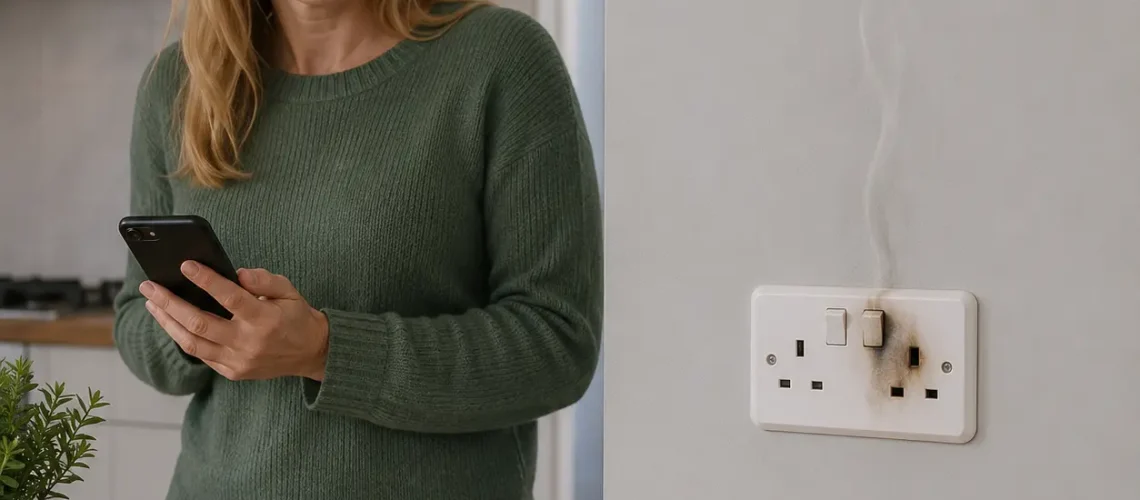
Electrical faults at home can develop in moments, and the way you respond in those first few seconds often shapes the outcome. Whether the issue is a sudden burning smell, a smoking plug, or someone receiving a shock while using a kitchen appliance, knowing what to do in an electrical emergency is something every household should be confident about. This guide draws on the experience of qualified UK electricians to bring practical advice tailored for British properties, helping homeowners, landlords, and tenants act decisively and protect their families when something unexpected occurs around the home.
Why Quick Thinking Matters During an Electrical Home Emergency
An electrical fault left unattended can quickly progress from a minor nuisance to a serious incident. Heat builds up inside walls, damaged insulation begins to smoulder, and arcing wires can ignite nearby materials such as carpets, curtains, or wooden furniture. Damp weather and storms common across the UK can also worsen existing problems overnight without anyone noticing.
The window between noticing a hazard and reacting to it is often very short. Treating any unusual sign as worthy of attention, rather than dismissing it as something minor, dramatically reduces the chance of harm.
How to Spot the Early Warning Signs
Recognising trouble before it becomes serious is one of the most valuable skills a homeowner can develop. Most household incidents begin quietly. A faint smell of warm plastic, a slightly discoloured socket, or a switch that feels warm to the touch are all subtle signals that something behind the scenes is no longer working as it should.
Listen for unusual sounds too. Buzzing from a light fitting, crackling near a socket, humming dimmer switches, or unusual noises from the consumer unit can all signal developing electrical problems. Lights that flicker when the kettle boils or dim when the tumble dryer starts often point to overloaded circuits or weakening connections. These warning signs should never be ignored, and the affected circuit should be checked by a qualified electrician before further use.
Your First Response When Something Goes Wrong
When a fault makes itself known, the urge to investigate up close is natural. Resist it. Your priority is to keep yourself and others away from the immediate hazard while isolating the electrical supply safely.
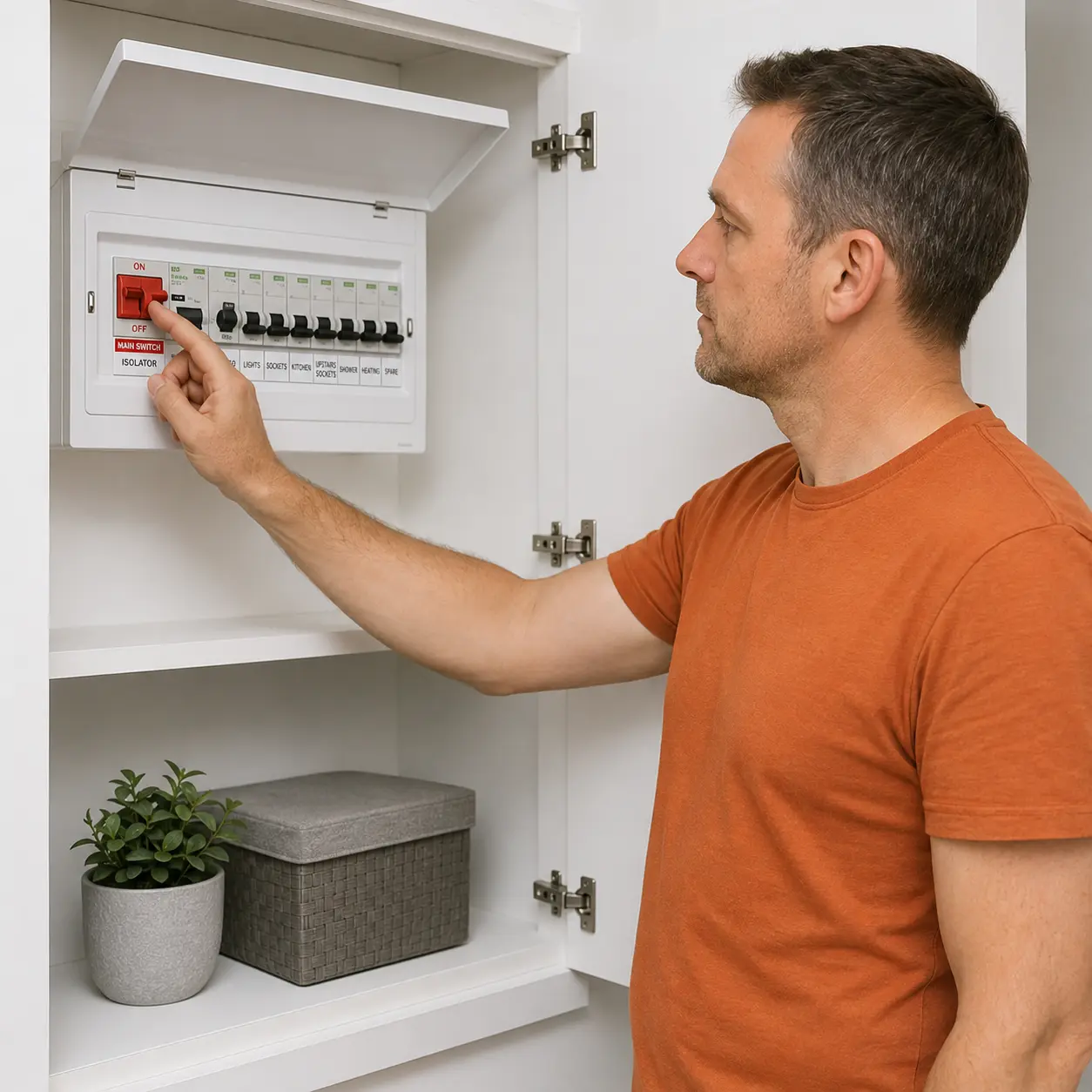
Head to your consumer unit and switch off the main isolator. This cuts power to every circuit in the property and helps prevent the issue from developing further. If the panel itself shows signs of smoke, heat, or sparking, do not touch it. Leave the property immediately, take everyone with you, and call 999 from a safe location outside.
If only one circuit is affected, switch off that MCB rather than shutting down power to the whole house.
Handling Different Types of Electrical Emergencies
No two incidents are identical, and a single response plan cannot cover every situation. Below are the most common scenarios British households face, along with the safest way to handle each one.
When Smoke or Fire Comes from an Appliance
Pull the appliance off the mains only if you can do so without touching damaged parts. If flames are present and small, a CO2 or dry powder extinguisher suitable for electrical fires is the correct choice. A fire blanket can be effective for small appliances, such as toasters or kettles. Never use water, even in small amounts, as it conducts current and could cause electrocution. If the fire grows beyond a small flame, evacuate, close doors behind you to slow the spread, and call the emergency services from a safe location.
When Someone Has Received an Electric Shock
The instinctive response is to reach out and pull the person away. Do not do this while they are still in contact with the live source, as you will also receive a shock. Isolate the mains at the panel first. If that is not possible quickly, use a wooden broom handle, plastic kitchen implement, or other non conductive item to separate them from the current. Phone 999 immediately. Even if the person seems fine, internal injuries from an electric shock can take hours to surface, so medical assessment is essential.
When the Power Suddenly Goes Off
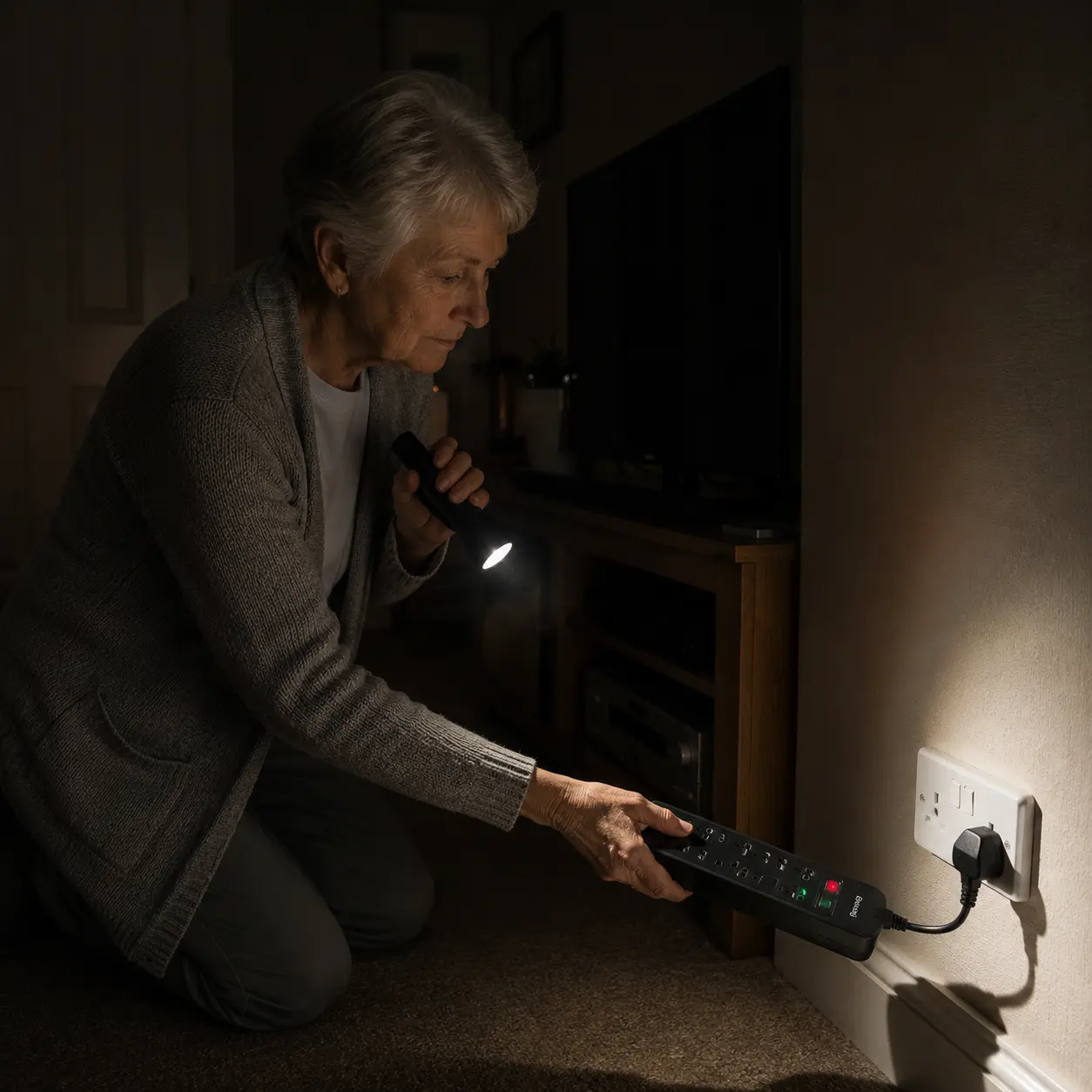
Not every power cut is an emergency, but a sudden outage still requires sensible action. Check whether neighbouring homes are affected. Disconnect televisions, computers, and other sensitive electronics so they remain safe from any surge that might occur once the supply returns. Use a torch rather than candles, as open flames near upset pets or sleepy children present a real fire risk.
When Water Reaches Your Wiring
Burst pipes, washing machine leaks, and rainwater entering through damaged outdoor sockets all create a serious hazard. Treat any room where water has reached electrical fittings as off-limits until the mains have been isolated. Even after the water has been removed, the affected circuits should not be reused until a competent professional has tested them. Damp inside fittings can cause delayed problems that surface days or weeks later.
Common Errors That Make Emergencies Worse
Some habits that feel sensible in the moment actually escalate the danger. Resetting a tripped breaker repeatedly is the most frequent example. The MCB is doing its job by cutting power, and forcing it back on again risks far greater damage. Other common errors include using tape to cover a damaged cable, plugging a high-power appliance into a thin extension lead as a temporary measure, or assuming a burning smell will fade on its own.
Working on live wiring is never appropriate for a homeowner, regardless of confidence or online tutorials. Equally, restoring power after a serious incident without a professional checking the wiring first can lead to recurring trouble. When in doubt, the safest decision is always to leave the supply off and call a trained electrician.
Preparing Your Home Before Something Happens
A few sensible preparations can transform how an emergency unfolds. Ensure every adult in the household knows where the consumer unit is located and how to operate the main isolator switch. Children should be taught what a household electrical hazard looks like and who to call if they spot one, though they should never attempt to handle it themselves.
Keep a torch with fresh batteries somewhere everyone can find in the dark, alongside a written list of useful contacts including 999, 105, your insurance provider, and your local electrician. Smoke alarms should be tested monthly, and a heat alarm in the kitchen adds an extra layer of protection. Regular electrical inspections also help uncover hidden issues before they become serious, particularly in homes preparing for upgrades such as air conditioning installation.
Homes built before the 1970s often hide ageing wiring behind seemingly tidy walls, and a professional inspection can help identify potential risks before they become dangerous.
When to Call a Qualified Professional
Some situations simply must not be tackled alone. Smoke from the panel, persistent burning smells, repeated tripping after resetting, exposed wiring after building work, or any flooding around fittings all warrant an immediate call to a qualified electrician. We provide reliable emergency support across UK residential properties, leasehold flats, and commercial premises, helping you get the supply back to safe working order with minimum disruption.
Conclusion
Handling an emergency well comes down to preparation, awareness, and the willingness to act swiftly rather than wait and see. Recognising early signs, isolating the mains quickly, and knowing when to step back and call the professionals all protect lives and property. If you would like peace of mind that your wiring, panel, and safety devices are in proper condition, get in touch with Rose Electrical. Our team is here to help UK households stay safe, prepared, and supported whenever electrical concerns arise.
