Introduction
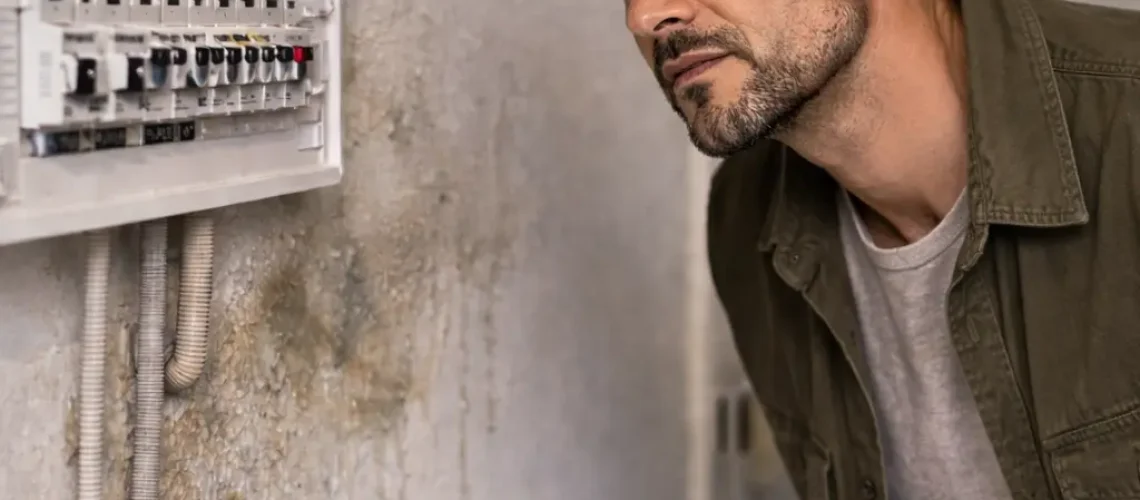
A tripping fuse box is one of the most common electrical issues UK homeowners encounter, yet also one of the most misunderstood. Your consumer unit is designed to cut power when something goes wrong, protecting your home from electrical fire and electric shock. When it trips once, the system is working correctly. When it keeps tripping, something within your electrical system needs attention. Understanding why your fuse box keeps tripping is the first step towards resolving it safely and preventing it from happening again. If the problem persists, consulting a qualified electrician can help identify and fix the root cause.
How Does a Fuse Box Work?
The consumer unit controls and protects every electrical circuit in your home. Circuit breakers and RCD switches monitor current flow and cut power automatically when they detect a fault, an overload or an unsafe condition. A modern consumer unit has separate switches for lighting, sockets and kitchen appliances, which makes it considerably easier to identify where a problem has developed when something goes wrong.
Common Reasons Your Fuse Box Keeps Tripping
Overloaded Circuit
The most frequent cause is a circuit carrying more load than it was designed to handle. Running too many high-power devices from the same circuit, or relying heavily on extension leads and multi-plug adaptors, draws excessive current and triggers the breaker. This is particularly common in UK kitchens where several appliances run simultaneously. Spreading the load across different circuits and reducing adaptor use is the practical first step.
Faulty Electrical Appliance
A damaged or worn appliance can cause a circuit to trip the moment it is switched on. Unplug everything on the affected circuit and reconnect devices one at a time. If the breaker trips when a particular item is plugged in, that appliance needs to be inspected or replaced before further use. This simple process often identifies the problem without any further investigation needed.
Short Circuit
A short circuit occurs when a live wire makes contact with a neutral wire, either inside an appliance or within the property wiring. This creates a sudden surge of current that trips the breaker almost instantly. Unlike an overloaded circuit, a short circuit will trip the breaker immediately and repeatedly regardless of how few devices are connected, which makes it easier to distinguish from other causes.

Ground Fault
A ground fault happens when a live wire contacts an earthed surface, such as a metal fitting or the earth wire itself. This is particularly common in areas exposed to moisture, including kitchens, bathrooms and outdoor installations. RCD switches within the consumer unit are specifically designed to detect this condition and cut power rapidly. If your RCD keeps tripping, a fault in a wet area fitting is the logical starting point. As a general maintenance habit, it is also worth pressing the test button on your RCD switch monthly to confirm it is functioning correctly.
Loose or Damaged Wiring
Loose connections and wiring deterioration can cause repeated tripping with no obvious pattern. Frayed cables, corroded connections or wiring damaged over time allow current to behave unpredictably, triggering the circuit protection system irregularly. This type of fault is difficult to trace without professional equipment and often indicates deeper issues with ageing or damaged wiring that require proper investigation. If your fuse box trips without a clear appliance-related cause, this is a serious possibility that should be assessed by a qualified electrician.
An Old or Outdated Consumer Unit
Older consumer units, particularly those with rewirable fuse wire rather than modern circuit breakers, may trip or blow frequently because they can no longer support the demands of a modern household. They may also lack RCD protection, which is an essential safety feature in any UK home. Properties built before the 1980s are most at risk, as both the consumer unit and the wiring throughout the property may have deteriorated significantly over time. If your unit is old, frequently problematic or showing signs such as a burning smell, discolouration or unusual sounds, a fuse box upgrade is worth discussing with a qualified electrician.
How to Fix a Tripped Fuse Box Safely
Work through these steps before calling an electrician:
- Identify the tripped switch: Open the consumer unit and look for any switch that has moved to the off position or sits between on and off.
- Unplug appliances on the affected circuit: Switch off and unplug all devices connected to that circuit before attempting a reset.
- Reset the switch: Push the tripped switch firmly back to the on position. If it holds, reconnect appliances one at a time to identify any faulty devices.
- Do not force a reset: If the switch will not hold or trips again immediately, stop. This points to an underlying fault requiring professional diagnosis.
Never open the consumer unit beyond checking switch positions, investigating wiring or working near live circuits. Attempting repairs without proper knowledge can introduce serious risks, so understanding the potential hazards of DIY electrical work is essential before trying to fix deeper issues.
When to Call a Qualified Electrician
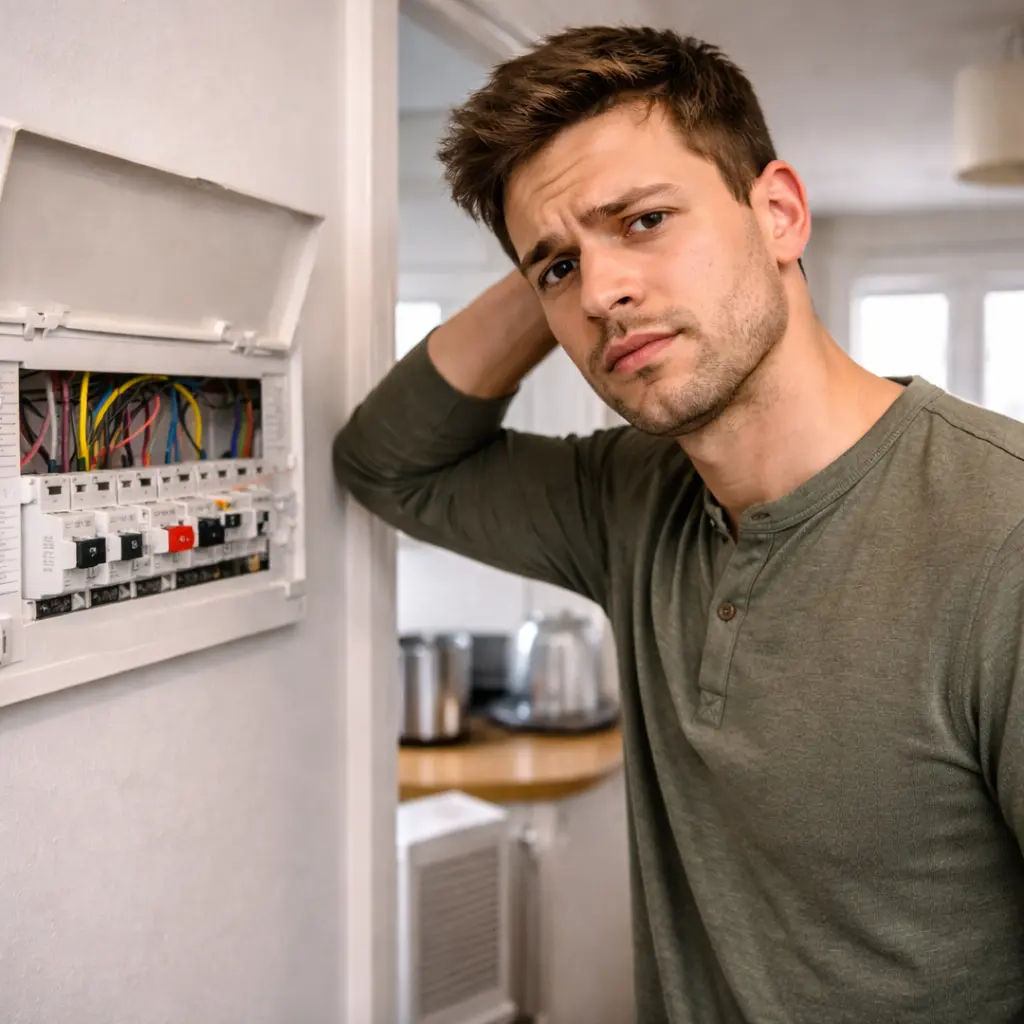
Some faults are resolved once a faulty appliance is identified and removed. Others are not. If your fuse box trips repeatedly without a clear cause, fails to hold after a reset or is accompanied by a burning smell, unusual sounds or visible damage, these are not situations to manage independently.
Rose Electrical provides thorough electrical fault diagnosis and repair across UK residential and commercial properties. Whether your consumer unit needs inspection, a circuit requires investigation, or your system needs upgrading to meet modern safety standards, our team will identify and resolve the problem properly.
Conclusion
A fuse box that keeps tripping is your electrical system signalling that something needs addressing. Persistent or unexplained tripping requires professional investigation to rule out wiring faults, ground faults, or a consumer unit no longer fit for purpose. Working around the problem is never the answer. If your consumer unit is giving you cause for concern, contact Rose Electrical today for honest, reliable and professional electrical repair.
