Introduction
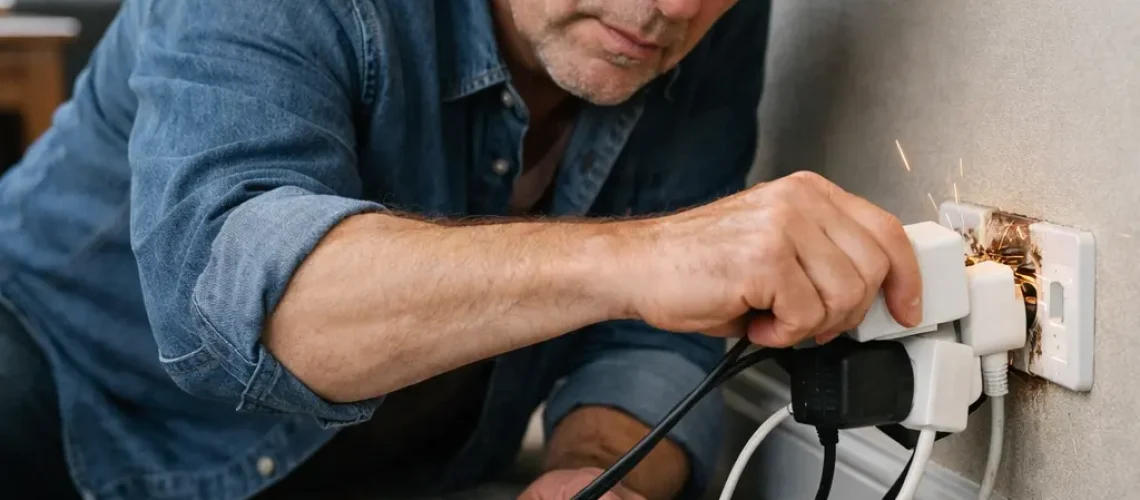
It is easy to understand why DIY electrical work feels tempting. With countless tutorial videos available and a genuine desire to save money, many UK homeowners attempt electrical tasks without fully appreciating what is involved. The truth is that electrical systems are unforgiving. The dangers range from immediate electrocution risk to house fires that develop weeks after the work is completed. Before picking up a screwdriver near any wiring, it is worth understanding exactly what is at stake and why consulting a professional, such as a qualified electrician, is often the safest decision.
Why DIY Electrical Work Is More Dangerous Than It Looks
Most electrical faults are invisible. You cannot see a loose connection inside a wall, a wire bearing too much load or a circuit wired incorrectly. UK residential properties, particularly older homes, often contain layers of previous work carried out over decades. Adding amateur work into that mix increases the risk of domestic electrical faults considerably.
Electricity does not give warnings. A wiring error that sits dormant for months can cause a serious shock or fire with no advance notice, often surfacing long after the original work was completed.
Electric Shock and Electrocution Risk
The most immediate danger is contact with a live wire. Many homeowners assume that turning off a light switch makes a circuit safe to work on. It does not. Without isolating the power supply at the consumer unit and testing with a voltage tester, there is no guarantee that the circuit is dead. In a wet UK bathroom or kitchen environment, that risk increases considerably.
Faulty Wiring and Fire Hazard
Loose electrical connections, overheating wires and electrical arcing can all result from incorrectly completed work. What makes this particularly dangerous is that these faults often develop inside wall cavities or beneath floorboards, entirely out of sight. By the time the problem becomes visible, the damage can already be severe. Electrical fire prevention depends on the work being done the first time correctly.
Hidden Faults That Grow Over Time
Poor insulation, improper earthing and incorrect wiring connections may not produce obvious symptoms straight away. Over time, they can lead to flickering lights, a tripping circuit breaker or complete appliance failure. These are not minor inconveniences. They are warning signs of deeper underlying issues that require professional electrical fault diagnosis to resolve safely.
Is DIY Electrical Work Legal in the UK?
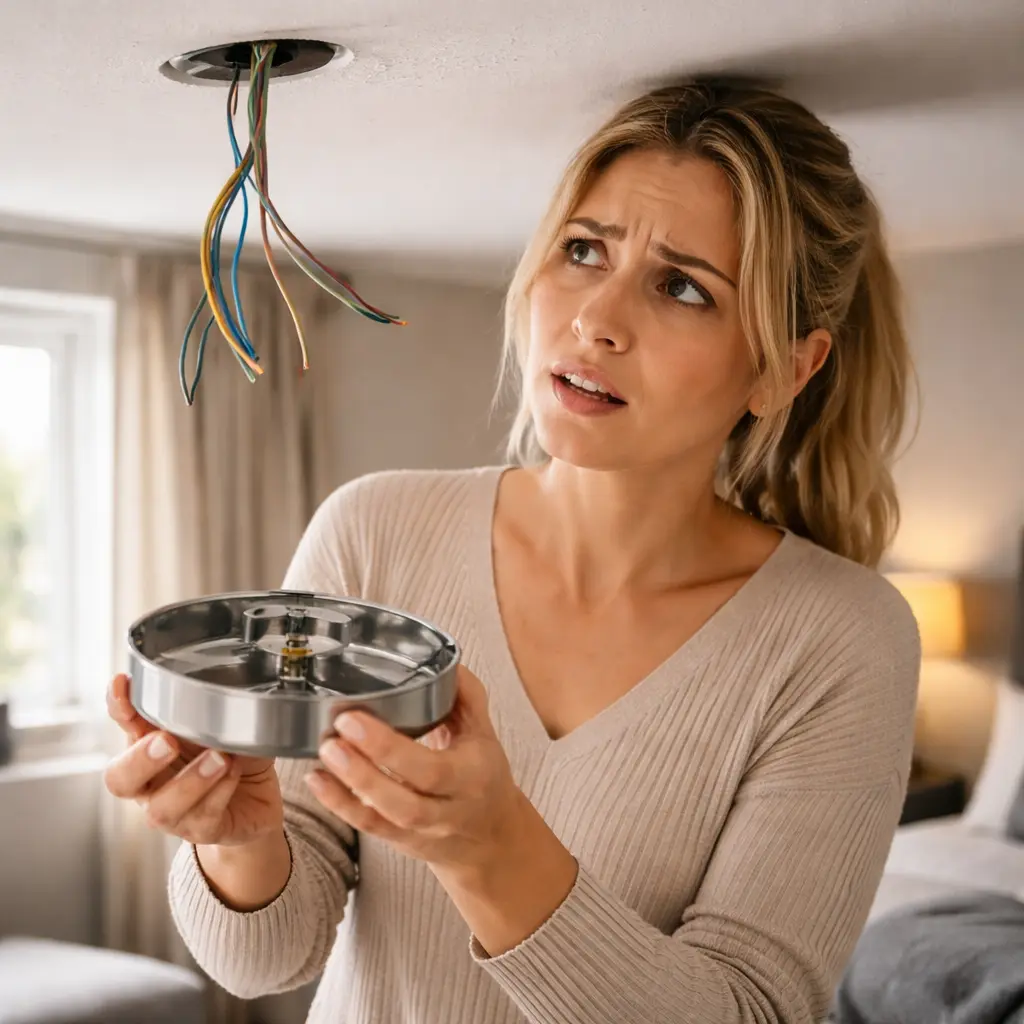
Under Part P of the Building Regulations, certain types of electrical work in domestic properties are classified as notifiable. This means they must either be carried out by a registered electrician or formally submitted to the local authority building control for inspection.
Notifiable work includes new circuits, work in kitchens and bathrooms, electrical installation in outbuildings and any work to consumer units. Carrying out this work without proper certification can affect your ability to sell your property, invalidate your home insurance and leave you personally liable if something goes wrong.
Minor tasks such as replacing a fuse, fitting a new socket faceplate or swapping a light fitting on an existing circuit are generally acceptable for competent homeowners. If there is any doubt about whether your planned work crosses into notifiable territory, speaking with Rose Electrical before you begin is the safer choice.
Common DIY Electrical Mistakes
These errors are not made only by beginners. They happen when someone works without proper training, regardless of how confident they feel.
- Incorrect wiring connections: Confusing live, neutral and earth wires is one of the most common and dangerous errors, capable of causing an immediate short circuit or a hidden fault that develops gradually.
- Overloaded circuits: Adding sockets or appliances beyond a circuit’s designed capacity leads to overheated wires and raises the risk of fire.
- Poorly secured or exposed wiring: Cables not properly fixed or protected can be damaged through movement, creating persistent intermittent faults.
- Using the wrong components: Incorrectly rated fuses, sockets, or switches create unsafe conditions and can cause appliance damage or electrical fire.
- Skipping safety precautions: Working without isolating the power supply or checking with a voltage tester remains one of the most avoidable yet frequently made mistakes.
What Happens to Your Insurance?
Home insurance exclusions around electrical work catch many homeowners off guard. If a fault or fire can be traced back to uncertified DIY work, insurers are well within their rights to reject a claim. This applies to both building and contents insurance.
For landlords, the implications go further. Rental properties must meet specific electrical safety standards, and work without proper certification creates legal exposure. The cost of a professional is considerably less than an uninsured claim or a dispute with a tenant.
Why Hiring a Qualified Electrician Makes Sound Sense
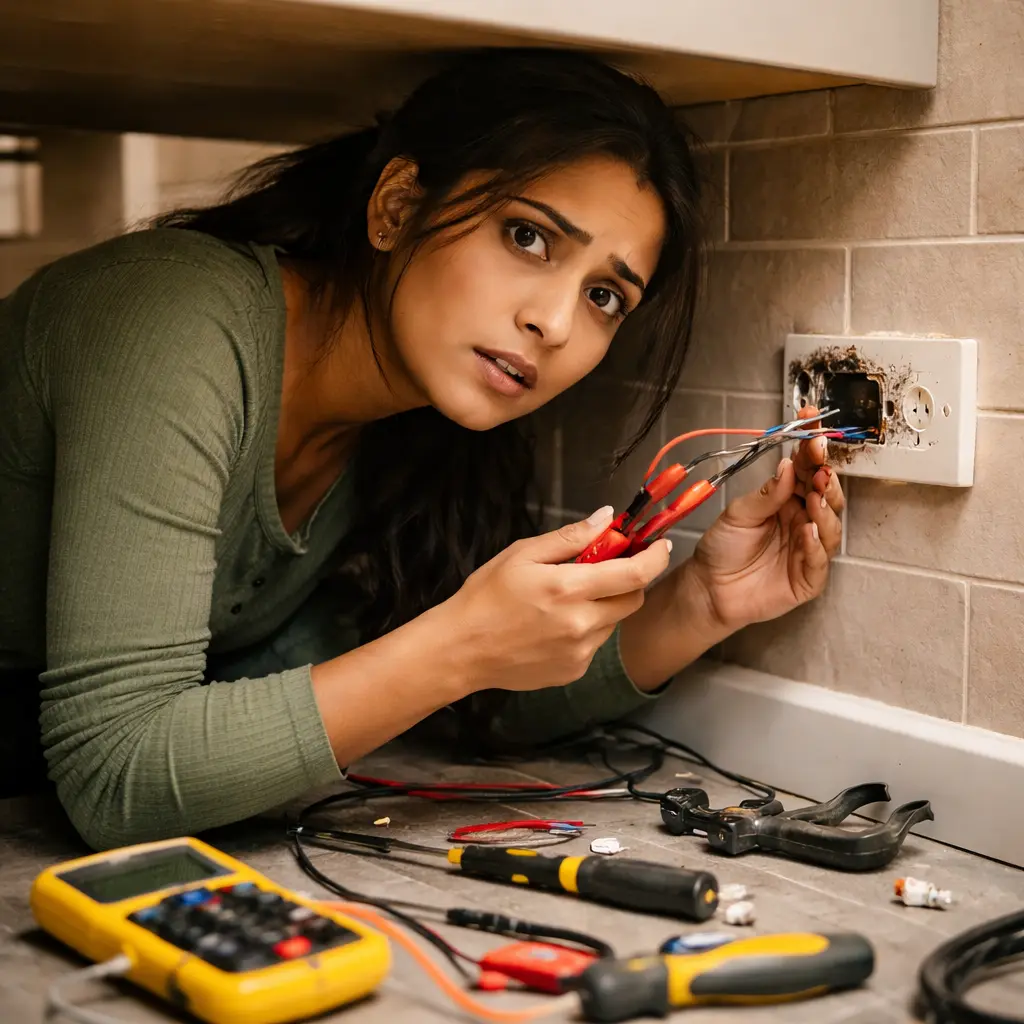
A qualified electrician brings accountability, proper equipment, knowledge of current safety standards and the documentation your property needs. Whether you require an electrical repair, a lighting upgrade, an electrical panel upgrade or a safety inspection on work already completed, Rose Electrical provides reliable, professional service.
If you have noticed warning signs such as burnt sockets, damaged cables or a repeatedly tripped fuse box, do not wait for the situation to worsen. Contact Rose Electrical and let us assess the issue properly.
Conclusion
The risks of DIY electrical work are not always visible, and that is precisely what makes them serious. From electrocution risk and fire hazard to insurance complications and legal non-compliance, the consequences of getting it wrong can be lasting. Knowing your limits and calling a qualified professional is not a sign of defeat. It is simply good sense. Rose Electrical is here to help UK homeowners and landlords keep their properties safe, compliant and properly maintained.
