Introduction
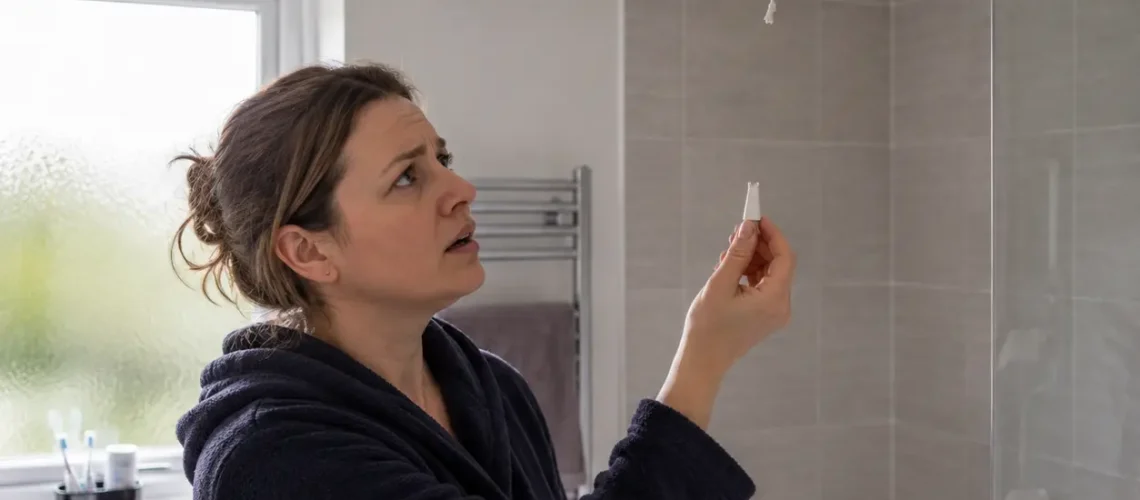
A homeowner in Doncaster recently pulled the cord in their bathroom to turn on the light, but instead of the usual click, the cord came away in their hand. The light stayed off, and although the switch looked fine from the outside, the fault was not something that could safely be fixed by simply tying the cord back on. What appeared to be a small repair was actually a sign that the mechanism inside the switch had failed.
In this guide, we look at the common faults that pull cord light switch broken , when a repair may be possible, when replacement is the safer option, and what you should do if the faulty switch is causing other electrical problems. If the cause of the trip is unclear, a Doncaster electrician can check the consumer unit and trace the fault safely.
What actually fails inside a pull cord switch
The cord is the visible half of the story, and it is the part that snaps most often. Over years of pulling, the string frays where it enters the housing or lets go at the acorn on the end.
The mechanism inside is where the more serious wear happens. Each pull rotates a small ratchet that drives the contacts, and both the return spring and the ratchet teeth wear out with use.
Then there are the contacts themselves. Every operation produces a tiny arc, which slowly pits the metal, and pitted contacts run hotter than clean ones. In a bathroom, humidity accelerates all three problems.
How to fix a pull cord switch when only the string has gone
If the switch still operates when you pull the stub of the cord, and it clicks cleanly with the light responding each time, the mechanism is sound. Replacement cords are sold as a length of cord with an acorn, and they thread into the existing switch.
The honest caveat is that fitting one usually means dropping the switch body from the ceiling to feed the new cord through the mechanism. Once the faceplate comes off, live terminals are exposed, which changes what kind of job this is.
Where the cord has snapped flush inside the housing, or where the remaining stub will not pull at all, the string is rarely the only casualty.
Signs a Pull Cord Switch Needs Replacing Instead of Repairing
Some symptoms tell you the mechanism has gone rather than the cord. A switch that clicks but leaves the light off, one that needs two or three pulls to respond, or one that will not stay in the off position has failed internally.
Buzzing, humming or a flicker at the moment of switching points to worn contacts. Discoloration around the switch, a warm faceplate or a smell of hot plastic is more serious again and the circuit should be turned off.
None of these are repairable in any meaningful sense. The internals are not sold as parts, and a whole switch costs a fraction of the labour involved in trying to salvage one.
Is a broken pull cord switch dangerous?
It depends on how it has broken. A snapped string on an otherwise sound switch is inconvenient rather than hazardous.
A cracked or partly detached faceplate is a different matter, because it can leave live terminals reachable from below. That is a real risk in a room where people are barefoot and wet.
Heat is the other concern. Loose terminals and worn contacts generate warmth at the connection, and sustained heat on a ceiling accessory sitting against joists and insulation is not something to leave running. Neither device in your consumer unit will warn you about it either, which is where knowing what an RCD and an MCB each protect against matters, since a high resistance joint produces heat without drawing enough current to operate one or leaking enough to earth to operate the other. 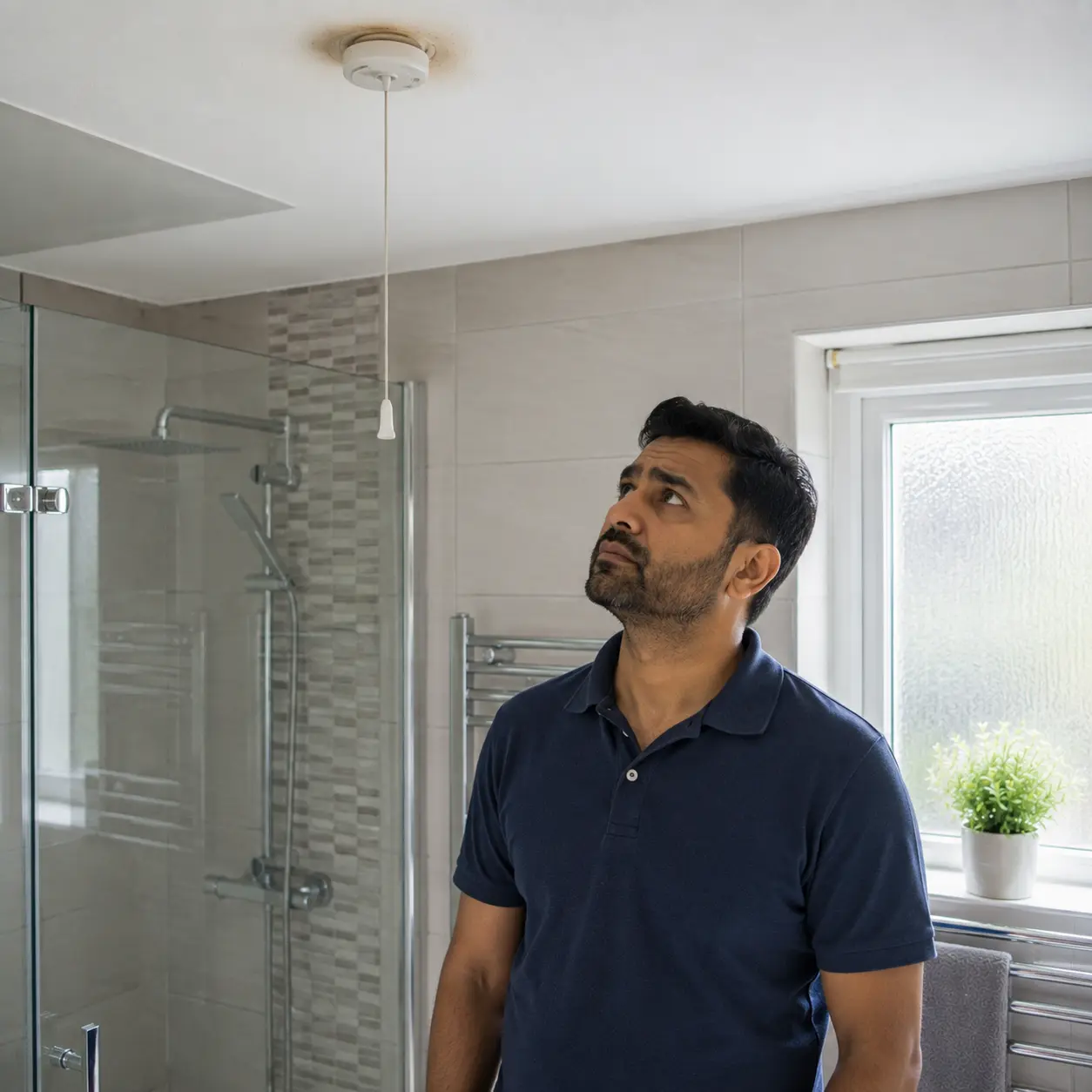
Can a pull cord switch cause a trip?
It can, although it is not the most likely culprit. In our experience a lighting circuit that trips is far more often caused by a lamp failing at the moment of switching, which draws a brief surge as the filament or driver fails.
A switch will trip the MCB if a stray conductor strand bridges live and switched live inside the housing, which is a short circuit. It will trip the RCD if a live conductor finds a path to earth, for example through moisture inside a damp bathroom switch or contact with a metal back box.
The useful diagnostic is what you were doing at the time. A circuit that goes out at the exact moment the cord is pulled points at the switch or the fitting it controls, while one that trips at random points elsewhere. In a bathroom that usually means the ventilation, because an extractor fan tripping the electrics sits on the same lighting circuit and takes in the same damp air the switch does.
Can you replace a pull cord switch yourself?
In England, replacing a pull cord switch like for like is generally not notifiable, even in a bathroom. However, the work must still meet wiring regulations and the specific safety requirements for bathrooms.
Rules differ in Wales and Scotland, so local requirements should be checked. If you are unsure about isolating the circuit, identifying the wiring or testing the replacement, use a qualified electrician.
What to Check Before Replacing a Pull Cord Light Switch
Rating comes first. A ceiling lighting switch is typically a 6A unit, while an electric shower is controlled by a much heavier double pole switch, commonly 45A or 50A, and the two are not interchangeable in either direction.
Terminal arrangement comes next. A one way switch has a common and a single switched terminal, while two way and intermediate types carry more, and older installations sometimes have wiring that does not match a modern replacement.
Where a circuit protective conductor is present at the switch, it must be terminated properly and sleeved. Plastic switches with no earth terminal still require that conductor to be dealt with correctly rather than tucked away, and it is one of the details our engineers at Rose Electrical check on every switch replacement in an older property.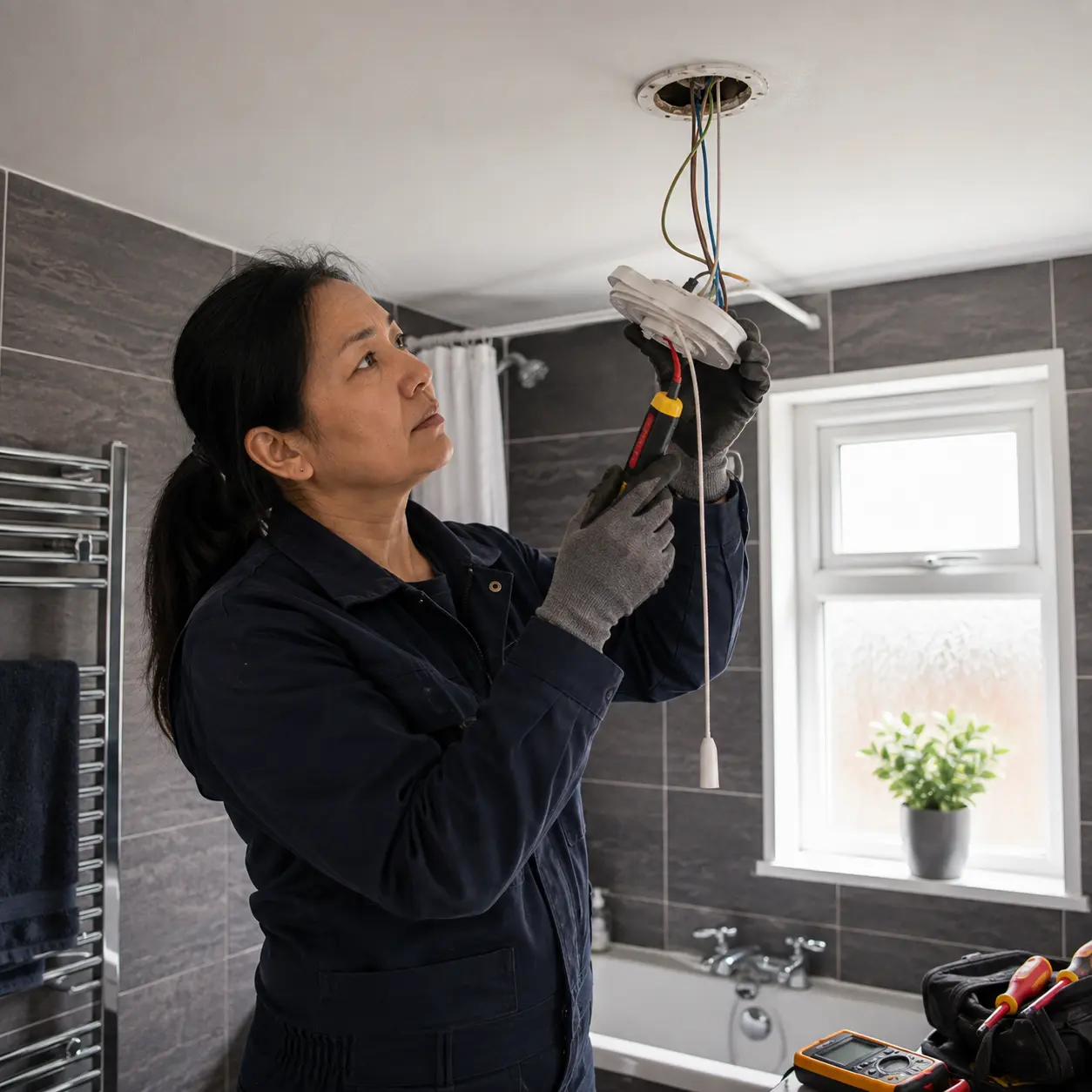
Conclusion
Do not ignore a pull cord switch that buzzes, sticks or needs repeated pulls, as it may have reached the end of its working life. Ceiling switches in damp rooms can deteriorate more quickly.
Rose Electrical repairs faulty switches and light fittings across Doncaster and can inspect the wider circuit where needed. Contact our engineers to discuss the fault and arrange a repair.
