
Introduction
The shift away from traditional lighting has been gradual but significant. Most UK homeowners have made at least a partial switch to LED, yet many still have halogen or incandescent fittings in parts of their property. If you have been weighing up LED lighting vs traditional options and wondering whether a full upgrade is genuinely worth it, the comparison is clearer than you might expect. Those planning improvements can benefit from reviewing available electrical installation support before making changes. This guide explores energy efficiency, running costs, lifespan, safety and environmental impact to help you make a confident decision.
Traditional Lighting: A Brief Overview
Traditional lighting covers several bulb types common across UK homes and commercial premises for decades. Incandescent bulbs produce light by heating a filament, releasing most of their energy as heat rather than light. Halogen bulbs work on a similar principle but run hotter. Compact fluorescent lamps, known as CFLs, offered an earlier energy-saving alternative but brought drawbacks including slow warm-up times, flickering and mercury content that complicates safe disposal.
What Makes LED Lighting Different?
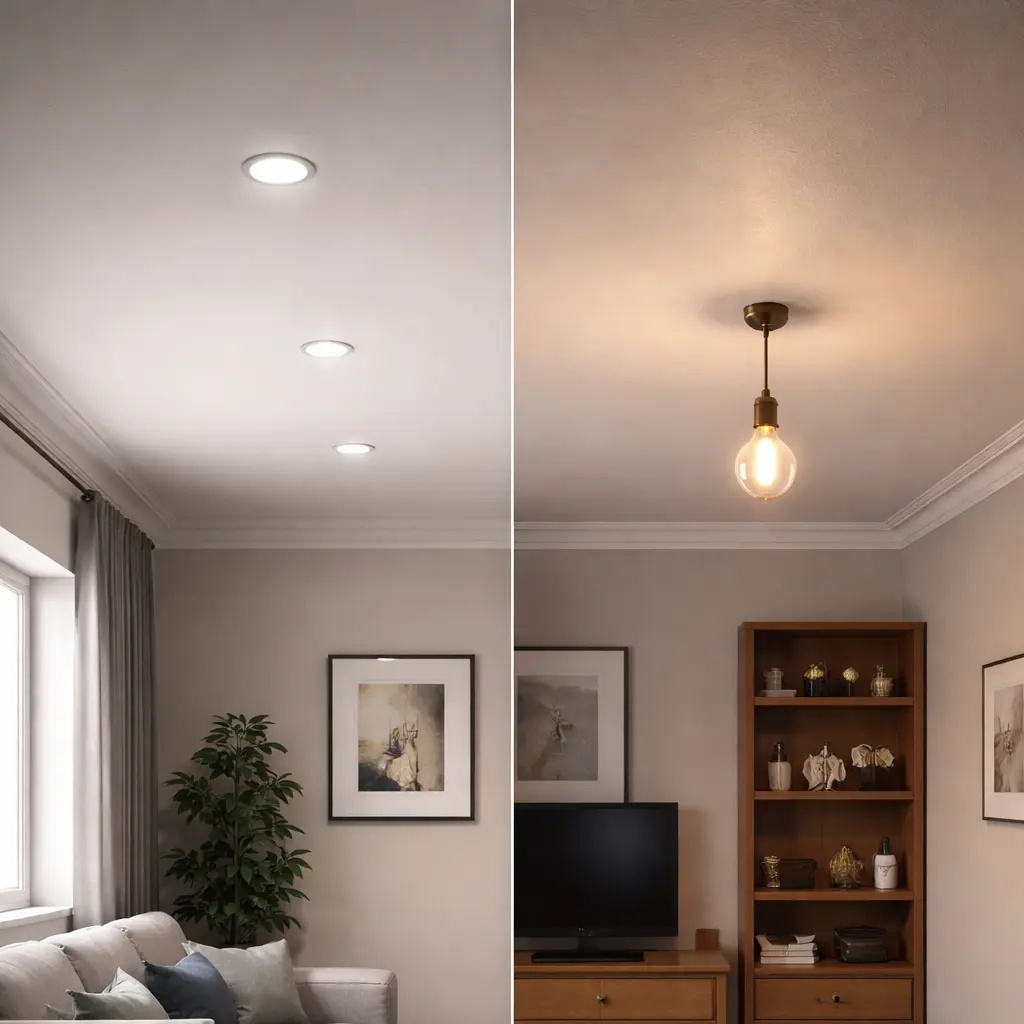
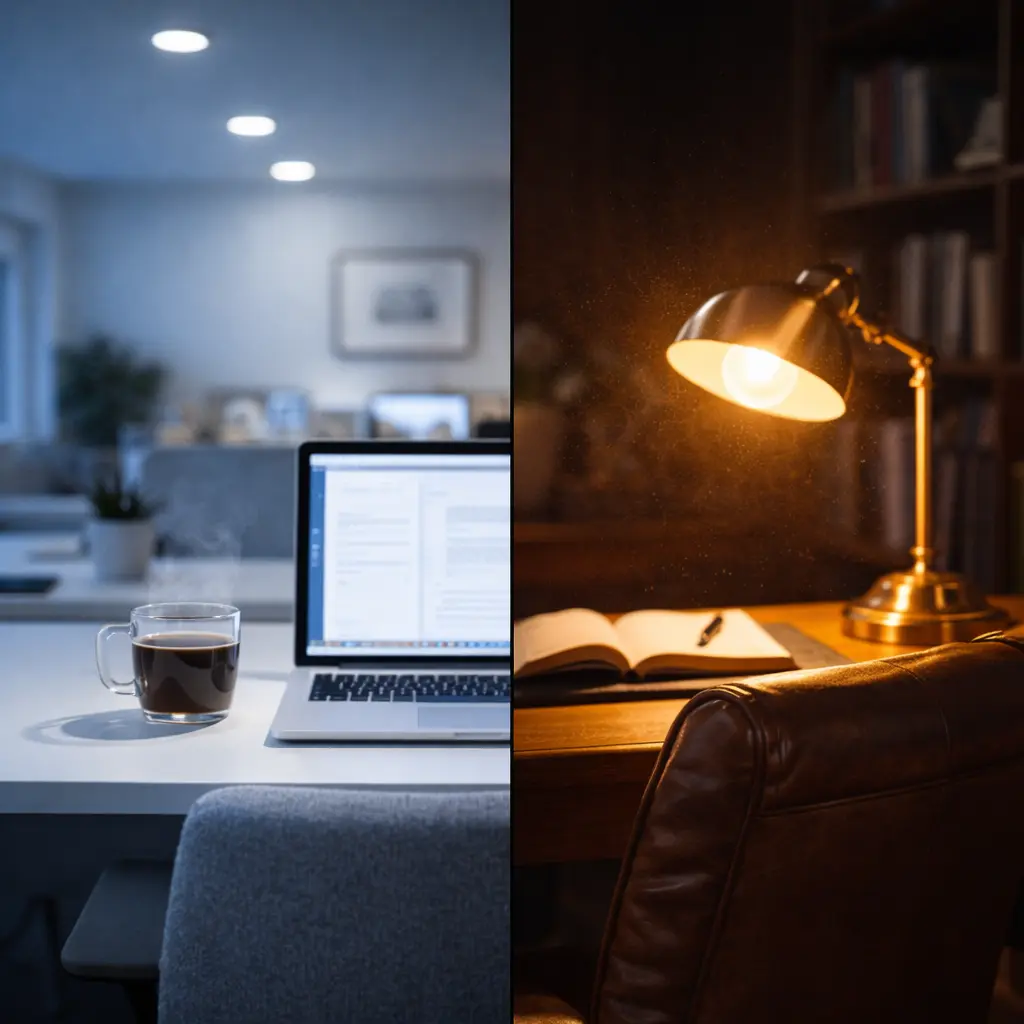
LED stands for light-emitting diode. Rather than generating light through heat, LEDs produce light electronically, which is a fundamentally more efficient process. This accounts for most of the practical advantages LED lighting holds over traditional lighting. LEDs are available across a wide range of colour temperatures, from warm white tones suited to living rooms and bedrooms through to cooler daylight options better suited to kitchens, home offices and commercial workspaces.
Energy Efficiency and Running Costs
LED bulbs use around 75 to 80 percent less energy than halogen or incandescent equivalents while producing the same level of brightness. Across the darker months typical of the UK climate, with lights running longer each day, this difference in energy consumption translates into a meaningful reduction in electricity bills over the course of a year.
Traditional bulbs also generate considerable heat during operation, which represents wasted energy with every hour of use. LED fittings run cool by comparison, reducing both energy consumption and the risk of heat-related damage to surrounding materials. For properties where lights remain on for extended periods, whether a busy commercial premises or a family home with open-plan living spaces, the efficiency gains from switching are felt quickly.
Lifespan and Maintenance
LED bulbs last up to 25,000 hours compared to around 1,000 hours for a standard incandescent bulb, meaning significantly less frequent replacement and lower maintenance costs over time. For properties with difficult-to-access fittings such as high ceilings in period homes, or commercial spaces, this reduction in replacement frequency is a genuine practical benefit.
Traditional bulbs, particularly halogens, are also more fragile and sensitive to handling. LEDs are more robust, resistant to vibration and better suited to a wider range of environments, including outdoor fittings, unheated outbuildings and areas subject to temperature variation during cold UK winters. This makes them well-suited to outdoor motion lighting and security installations exposed to the elements. It is worth noting that LED bulbs may not be compatible with all existing dimmer switches, so it is advisable to check compatibility or seek advice before replacing dimmable fittings.
Safety Considerations
The heat generated by halogen and incandescent bulbs presents a genuine fire risk when used in enclosed fittings, positioned near combustible materials or left running in poorly ventilated spaces. LED fittings run at a fraction of the temperature, removing this concern in most domestic and commercial settings.
CFLs carry a separate concern through their mercury content. A broken CFL requires careful handling and specialist disposal. LEDs contain no mercury, making them safer to use and easier to dispose of responsibly. For landlords mindful of their obligations around property safety, replacing older lighting with LED fittings is a straightforward and worthwhile improvement.
Environmental Impact
Reduced energy use leads to a lower carbon footprint, relevant to UK homeowners and businesses increasingly conscious of their environmental responsibilities. LED lighting generates less waste over its lifetime due to its extended lifespan and contains none of the hazardous materials found in fluorescent and CFL alternatives. As the UK continues to develop its renewable energy capacity, the environmental benefit of running low-energy LED lighting becomes more meaningful over time.
Which Lighting Is Right for Your Property?
For the vast majority of UK residential and commercial properties, LED is the practical choice across every measure that matters. The higher upfront cost of LED fittings is recovered through lower running costs and reduced replacement frequency, making the investment worthwhile over time. The table below provides a clear summary.
| Factor | LED | Traditional (Halogen/Incandescent) |
| Energy consumption | Low | High |
| Lifespan | Up to 25,000 hrs | Around 1,000 hrs |
| Heat output | Minimal | High |
| Maintenance required | Low | Higher |
| Environmental impact | Lower | Higher |
| Upfront cost | Higher | Lower |
If your property still has halogen downlights, older fittings, or inefficient commercial lighting, a professional lighting upgrade is a sensible next step. Rose Electrical carries out LED lighting upgrades across residential properties and commercial premises throughout the UK, ensuring all new fittings are installed safely and correctly.
Conclusion
The case for LED over traditional alternatives is strong across every practical measure, from energy savings and running costs through to safety, lifespan and environmental impact. For UK homeowners, landlords and property managers, making the switch is one of the most straightforward improvements available. Alongside upgrading your lighting, it is equally important to stay on top of routine electrical inspection intervals to ensure your system remains safe and compliant over time. If you are planning to upgrade your lighting, working with a qualified electrician ensures the installation is completed safely and to current standards.
