
Introduction
Electrical safety is one of those areas where out of sight genuinely means out of mind. Wiring deteriorates, components wear, and faults develop gradually within walls and ceilings where nobody can see them. A professional electrical safety inspection identifies these issues before they become dangerous. Whether you own a home, rent out a property or manage commercial premises, understanding how often you need an inspection and what it involves is essential for keeping people safe and staying compliant with UK regulations.
What Is an Electrical Safety Inspection?
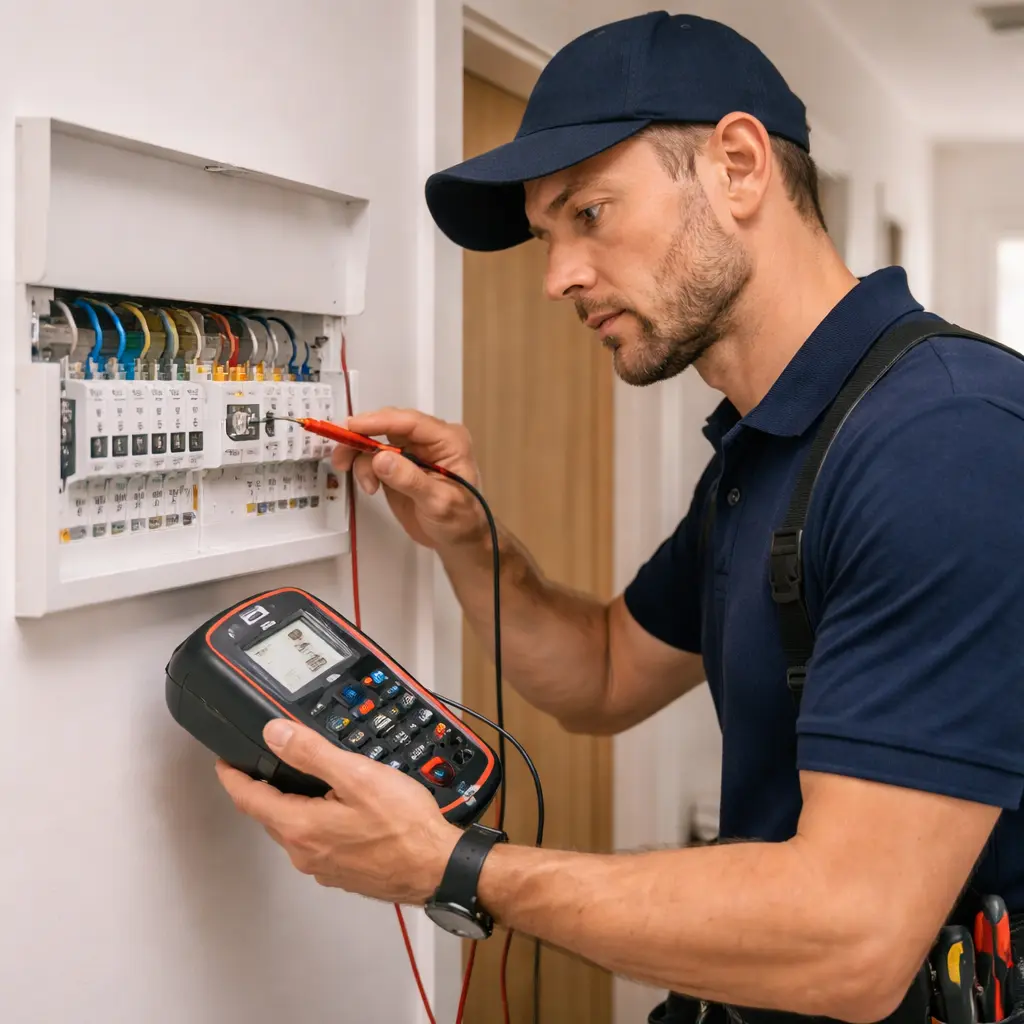
A professional electrical safety inspection is a thorough assessment of the fixed wiring and electrical installation within a property. A qualified electrician examines the consumer unit, circuits, protective bonding, switches, sockets, lighting systems and overall wiring condition to identify faults, deterioration or safety risks before they escalate.
The inspection produces an Electrical Installation Condition Report, commonly known as an EICR. This document records the condition of the installation and classifies any issues found. A satisfactory result confirms the installation is safe. An unsatisfactory report means remedial work is required, with urgent issues needing prompt attention and others flagged for further investigation.
Who Needs an Electrical Safety Inspection?
Every property with an electrical installation benefits from periodic testing, but certain property types carry specific legal obligations that make inspections not just advisable but required.
Homeowners
Owner-occupied residential properties have no strict legal requirement for regular testing, but a domestic electrical inspection every ten years is widely considered sound practice. It is also worth arranging one when moving into an older property, completing a renovation or noticing warning signs such as flickering lights, tripping circuits or worn switches and sockets. Recognising early signs that your wiring may need updating can help prevent more serious issues from developing over time. Addressing faults early is far less disruptive than dealing with the consequences of problems left unaddressed.

Landlords
Electrical safety regulations in England require landlords to arrange a formal EICR at least every five years on all privately rented properties. The report must be provided to tenants and made available to the local authority upon request. Where an unsatisfactory result is recorded, urgent repairs or further investigation must be completed within a set timeframe, and non-compliance can result in significant financial penalties. Rose Electrical works with landlords across the UK to ensure rental properties meet current compliance requirements without unnecessary delay.
Commercial and Industrial Properties
Most commercial premises should be assessed every five years under workplace health and safety legislation. However, high-risk environments such as industrial facilities, buildings with wet or dusty conditions, or properties open to the public may require more frequent inspection. These settings place greater demand on electrical systems, meaning faults can develop more quickly and carry greater consequences when left undetected.
How Often Should Electrical Inspections Be Carried Out?
Testing intervals vary depending on property type and usage. The table below reflects widely recognised UK electrical safety guidance.
| Property Type | Recommended Interval |
| Owner-occupied home | Every 10 years |
| Private rental property | Every 5 years or change of tenancy |
| Commercial premises | Every 5 years |
| Industrial or high risk environments | Every 1 to 3 years |
| Swimming pools and wet environments | Every 1 year |
These are general guidelines. A qualified electrician may recommend a shorter schedule based on the age of the installation, previous report outcomes or specific conditions within the property. Older properties in particular often require closer attention, as outdated wiring and worn components can present risks that are not visible from the outside.
What Happens During an Electrical Safety Inspection?
The qualified electrician begins with the consumer unit, checking for signs of damage, overloading or components that no longer meet current standards. Circuits are tested to confirm they function correctly and that protective devices respond as intended under fault conditions.
Wiring is assessed throughout the property, with particular attention given to older installations where deterioration may have developed over time. Switches, sockets and fittings are examined for wear or damage and earthing and protective bonding are verified to confirm adequate protection against electric shock is in place. During this process, property owners often take the opportunity to explore modern lighting options and their long-term benefits as part of a wider upgrade to improve efficiency and safety.
Any issues identified are classified within the EICR according to their severity, giving property owners a clear and prioritised picture of what needs addressing. If you are unsure when your last inspection took place or have recently taken on a property, a qualified electrician can carry out a full assessment and advise on next steps.
What If the Report Comes Back Unsatisfactory?
An unsatisfactory EICR does not always mean the property is immediately dangerous, though some issues will require urgent attention. The classification system distinguishes between faults needing immediate action, those requiring remedial work within a defined period and observations flagged for monitoring or further investigation.
All remedial work must be completed by a qualified electrician and properly documented. Once resolved, a satisfactory confirmation should be retained as part of your inspection records. Landlords must also provide proof of completed work to tenants and, where requested, to the local authority.
Conclusion
Electrical faults do not announce themselves, and the longer they go undetected, the greater the risk. Regular inspections are one of the most practical steps any homeowner, landlord or property manager can take to protect people and property. Whether you need to fulfil legal obligations, assess an ageing installation or simply establish peace of mind, Rose Electrical provides thorough, professional electrical safety inspections across the UK. Get in touch today and arrange yours.
