Introduction
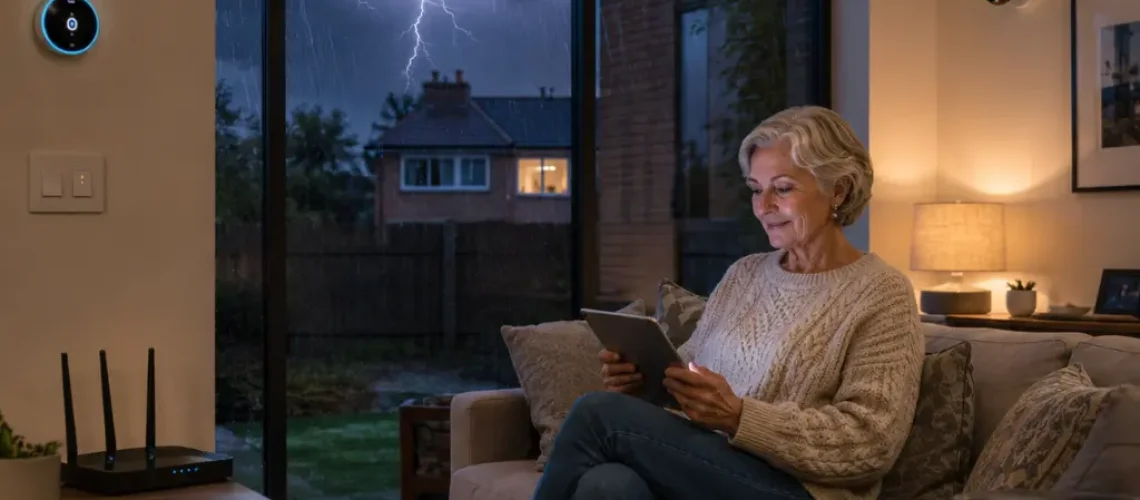
Power surge damage is a growing concern as more of our homes fill with connected technology. From smart speakers and video doorbells to thermostats and wireless routers, the modern British home now runs on devices that simply did not exist a generation ago. These gadgets bring real convenience, but they are also delicate and far more sensitive than the sturdy appliances of the past. A sudden jump in voltage can harm them in an instant or quietly shorten their life over time. If you are concerned about protecting your home’s electrical system, qualified electricians in Doncaster can assess your installation and recommend practical measures to help safeguard your property and valuable electrical devices. This guide explains what power surges are, why smart devices are so vulnerable, the warning signs, and the practical steps that keep your technology safe.
Understanding Power Surges
A power surge is a brief spike in voltage that rises above the normal level your supply delivers. It may last only a fraction of a second, yet that short burst is often enough to disturb delicate electronics. Some surges arrive as a single large event, while others come as smaller voltage spikes that repeat over time. Both types matter because even minor power fluctuations can gradually take their toll on the sensitive components inside modern devices.
Why Smart Devices Are Vulnerable
Smart home devices rely on tiny microchips and low-voltage components that are easily disturbed by irregular power. Unlike a kettle or an older appliance, this connected technology is engineered for precision rather than ruggedness, which leaves little margin when voltage misbehaves. Most of these devices also stay switched on around the clock, keeping them connected and exposed to whatever reaches the socket. Smart thermostats, video doorbells, routers and smart lighting all sit quietly drawing power, so repeated small surges can place ongoing stress on sensitive electronics. Over time, that steady pressure wears components down, even when nothing appears to go wrong at first glance.
Common Causes of Power Surges
Surges come from both outside and inside the home. External causes are often beyond your control, including lightning during winter storms, grid switching by the supply network, and the sudden rush of power returning after an outage. Wet weather and seasonal storms make these events more likely across much of the UK. Inside the home, surges can be triggered by large appliances cycling on and off, overloaded circuits drawing more than they should, or ageing and faulty wiring struggling to cope. Older properties with outdated installations are particularly prone, as worn cables and loose connections can create instability that puts every connected device at risk.
Signs Your Smart Devices May Already Have Surge Damage
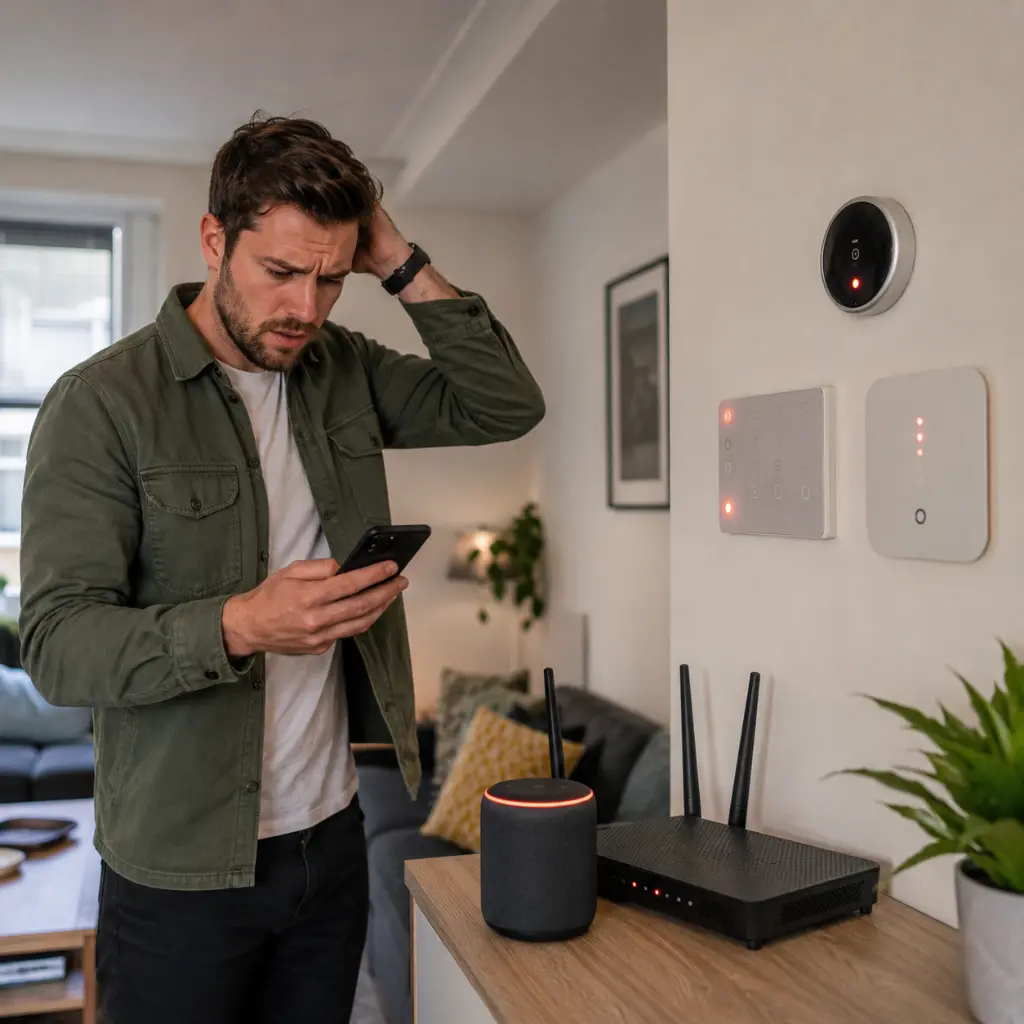
Sometimes surge damage is obvious, but often it appears through unusual behaviour from connected devices. The table below highlights common signs that a voltage spike may have affected your smart home technology.
| Warning sign | What it may suggest |
|---|---|
| Router frequently restarting | Electronics affected by voltage spikes |
| Smart thermostat losing settings | Internal components damaged |
| Video doorbell disconnecting | Interrupted power or network functions |
| Smart lights failing or flickering | Damage to sensitive control circuits |
| Smart home hub behaving erratically | Voltage-related electronic faults |
| CCTV system dropping offline | Surge-related component stress |
If several devices begin showing these problems after a storm, power cut or electrical disturbance, it is worth investigating further rather than assuming the devices themselves are at fault. Similar issues can sometimes affect outdoor security lights with PIR motion sensors, which may begin operating erratically if sensitive electronic components have been affected by electrical disturbances .
How Surge Damage Builds Up
Many people picture a surge as a single dramatic event, but the reality is often quieter. Small surges can pass through your home regularly without anyone noticing, slowly wearing down the internal parts of your devices. This hidden electrical damage builds beneath the surface, shortening appliance lifespan long before any fault becomes visible. It also explains why a device may keep working for weeks after a surge, then suddenly fail for no obvious reason. The cumulative stress, rather than one big jolt, is frequently the real culprit behind premature failures.
How to Protect Your Smart Home
Good protection works in layers, combining a strong main defence with sensible backup measures.
Whole House Surge Protection
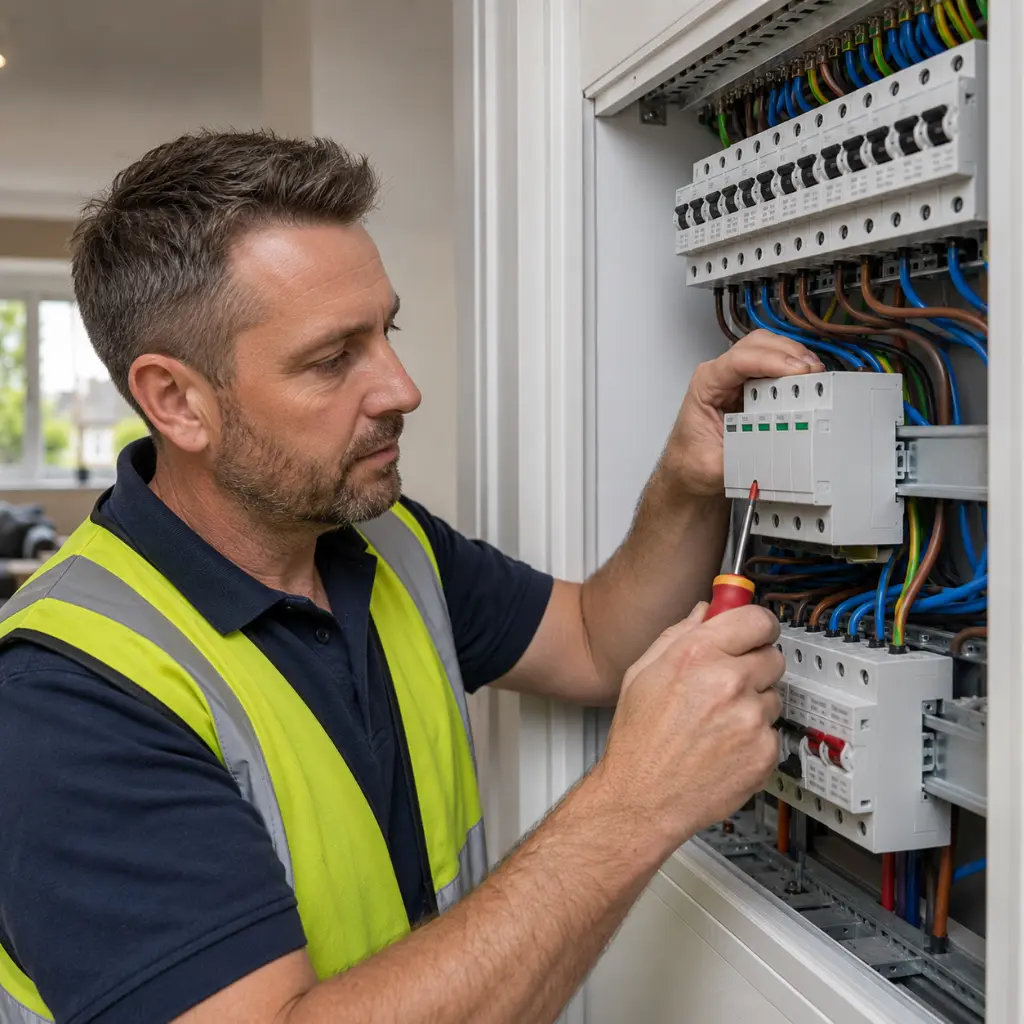
The most effective safeguard is a surge protective device fitted at the consumer unit. This sits at the heart of your electrical system and works to absorb or divert excess voltage before it can spread to your circuits. Because it protects everything connected to the installation, whole-house surge protection offers the strongest first line of defence. As it involves work at the consumer unit, it should always be installed by a qualified electrician to ensure it is fitted safely and correctly.
Plug In Protection for Sensitive Devices
A second layer adds protection right at the point of use. Quality surge-protected strips are well-suited to routers, home offices and entertainment setups, where several valuable devices are often grouped. These guard against smaller surges that reach individual sockets and complement the main protection at the consumer unit. They are a simple, practical addition for the equipment you most want to keep safe.
Sensible Habits During Storms
Good habits add another layer during severe weather. Unplugging vulnerable or expensive devices when a storm is forecast removes them from harm entirely. This is a useful precaution, though it should support proper surge protection rather than replace it, since you cannot unplug everything or always be home in time.
When to Call a Qualified Electrician
Certain situations call for professional attention rather than guesswork. If you have noticed any warning signs, suffered repeated device failures, or experienced a surge after a storm or power cut, an electrical inspection is a sensible next step. Surge protective devices need to be installed correctly at the consumer unit, which is work for a qualified electrician rather than a DIY task. It also makes sense to have your wiring and consumer unit checked at the same time, so any underlying weaknesses are caught early. Rose Electrical can advise on surge protection and carry out installation safely throughout your home.
Conclusion
The technology filling our homes represents a real investment, and protecting it from power surge damage is well worth the effort. A combination of whole-house surge protection, plug-in safeguards and sensible storm habits gives your smart devices the best chance of a long and reliable life. If you would like to protect your connected home properly, Rose Electrical is always happy to help you choose and install the right surge protection for your needs.
