
Introduction
A loose electrical connection is one of the most common electrical faults found in UK homes, yet it often goes unnoticed until it starts causing real problems. Wiring and connections sit hidden behind walls, inside sockets and within the consumer unit, so the early warning signs are easy to miss. In many older properties, years of everyday use gradually loosen terminals and weaken contacts without anyone realising. The trouble is that a small fault rarely stays small. If you are concerned about the condition of your wiring, a professional electrician in Doncaster can help identify potential issues before they develop into more serious safety hazards.
What Actually Causes a Loose Electrical Connection?
Connections rarely fail overnight. Most loosen slowly through everyday wear and the natural movement that happens inside any electrical system. Heat plays a part, too. Every time a circuit carries current, the metal at each terminal expands slightly, then contracts as it cools. Over the years, this repeated movement can loosen screws and clamps out of their secure position. Older properties with original wiring are especially prone, as decades of use take their toll on ageing terminals and cables. Past DIY work is another frequent cause of loose electrical wiring, particularly where sockets, switches or light fittings were installed without being tightened correctly. House wiring issues, such as damaged electrical cables or worn insulation, can also leave connections under strain, making them far more likely to work loose with time.
Warning Signs of a Loose Electrical Connection
The earliest clues are often things you can hear, smell or see during everyday life. Paying attention to these loose wire connection symptoms can help you catch a fault early. The signs of faulty wiring below are some of the most reliable indicators that a connection needs professional attention.
Buzzing or Crackling Sounds Behind the Walls
A healthy electrical system runs quietly. If you start to hear a faint buzzing, humming or crackling coming from a socket, a switch or somewhere within the walls, it usually means electricity is struggling to pass cleanly across a weak contact. These sounds suggest current is arcing across a gap rather than flowing smoothly. Any unexplained noise from your electrics deserves a closer look, as it rarely resolves on its own.
A Burning or Fishy Smell Near Fittings
Smell is one of the clearest warnings of all. A loose connection generates heat, and that heat can scorch nearby plastic, insulation and terminal blocks. The result is often a sharp burning odour or a distinctive fishy smell drifting from a socket or light switch. This points to overheating components and should never be ignored. Switch off the affected circuit and arrange for it to be checked straight away.
Flickering Lights and Power Fluctuations
Lights that flicker, dim without reason or vary in brightness can signal an unstable connection somewhere along the circuit. When a contact is loose, the flow of current becomes intermittent, causing noticeable fluctuations in the power reaching your fittings. You might notice the effect when an appliance switches on, or it may come and go at random. Persistent flickering that affects more than one bulb is worth investigating properly. In some cases, these fluctuations may also be associated with voltage irregularities that can place additional strain on sensitive electronics and smart home devices.
Warm or Discoloured Sockets and Switches
Sockets and switches should always feel cool to the touch. If a plug socket or light switch feels warm, or you notice browning, scorch marks or discolouration on the faceplate, heat is building up behind it. Warm outlets and discoloured fittings are strong indicators of a loose terminal drawing more resistance than it should. Stop using the fitting and have it inspected before the damage spreads further.
Repeated Circuit Breaker Tripping
An occasional trip is normal, but a breaker that keeps cutting out points to an underlying fault. Loose connections can cause nuisance tripping at the consumer unit as protective devices respond to overheating, arcing or irregular current flow. Similar electrical faults can also affect hardwired appliances and fixtures, including ceiling fans that may begin operating erratically or lose power unexpectedly. If resetting the breaker only buys a short reprieve before it trips again, the cause needs proper diagnosis rather than repeated resets.
Where Loose Connections Are Most Likely to Develop
Knowing where these faults tend to appear makes them easier to spot. Socket terminals and plug connections are among the most common locations, simply because they are used so often and carry a frequent load. Light switches and lighting circuits are another regular culprit, especially where fittings have been changed over the years. The consumer unit and junction boxes also deserve attention, as loose socket terminals and connections here can affect whole sections of the property. Older installations and circuits that have been extended or altered are particularly vulnerable, since added connection points create more opportunities for contacts to weaken. If your home falls into any of these categories, it is sensible to keep an eye out for the warning signs above.
Why a Loose Connection Should Never Be Ignored
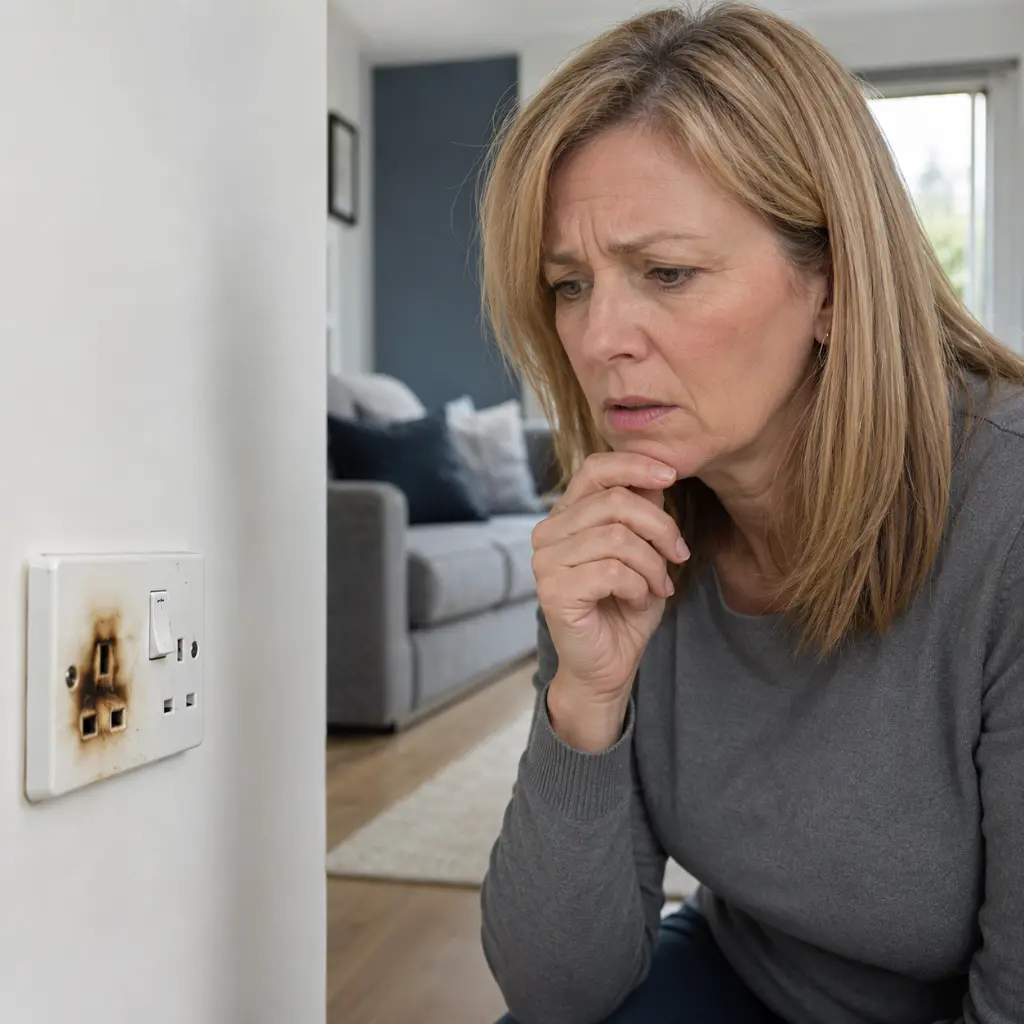
It is tempting to dismiss a warm socket or the odd flicker as a minor annoyance, but loose connections carry genuine risk. Where current arcs across a weak contact, it generates intense localised heat. Over time, this can scorch surrounding materials and, in the worst cases, lead to an electrical fire. The same overheating can damage insulation and raise the risk of electric shock. A fault that seems trivial today can deteriorate quietly behind the wall until it becomes a serious hazard. If you begin to notice any of these signs, it is worth contacting Rose Electrical for professional fault finding before a small problem develops into something far more dangerous.
What to Do If You Suspect a Loose Connection
Acting sensibly matters more than acting quickly. If a socket or switch feels warm, or you notice any of the symptoms above, stop using that circuit and avoid plugging anything further into the affected outlet. Resist the urge to open up sockets or attempt repairs yourself. Working on live wiring is genuinely dangerous and is best left to a qualified professional. If the fault feels severe, or you can smell burning, isolate the relevant circuit at the consumer unit to remove the risk. From there, the safest step is to arrange proper electrical repairs with a registered electrician who can find the source of the problem. Rose Electrical can inspect the fault and put it right safely.
How Electricians Trace Hidden Loose Connections Safely
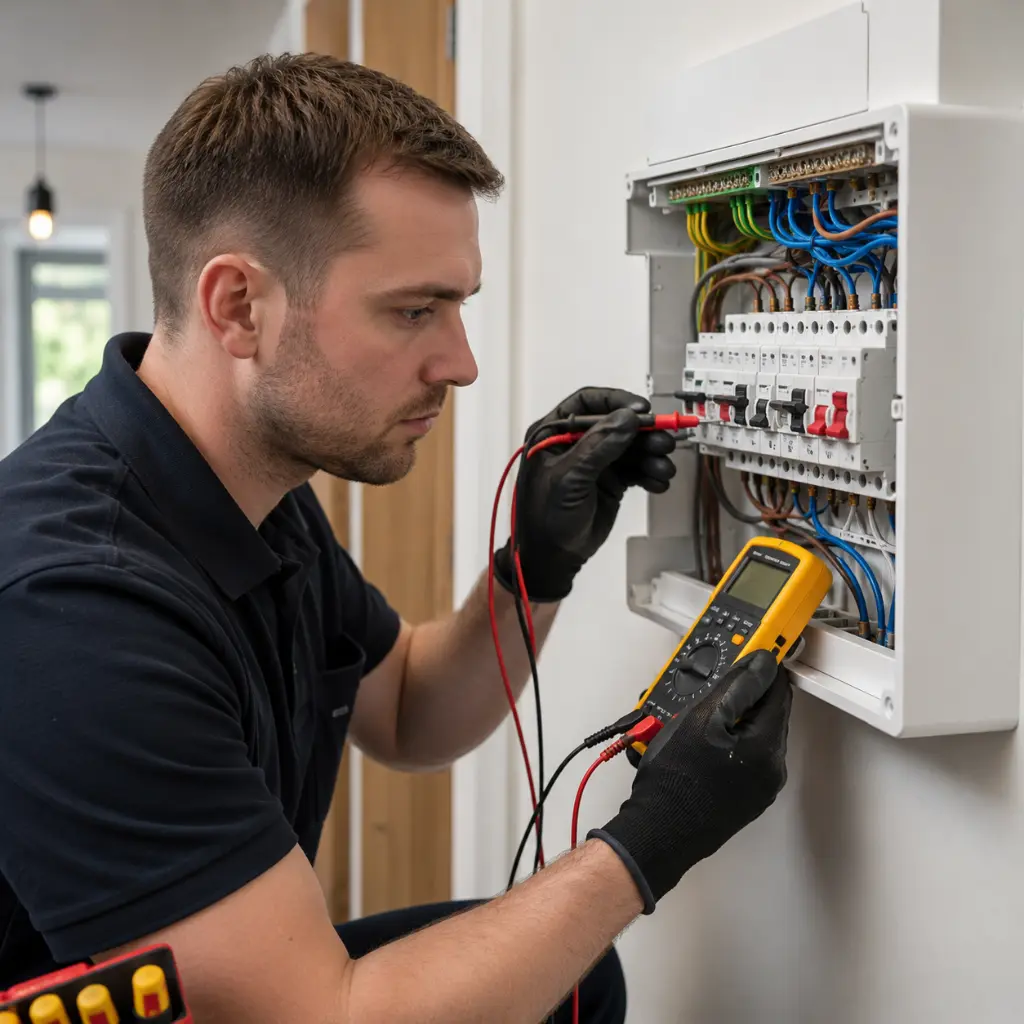
Finding a loose electrical connection often requires more than a visual inspection. A qualified electrician will safely isolate the affected circuit before carrying out tests to identify the exact source of the fault. During an EICR inspection, loose terminals are commonly found in consumer units, sockets, switches and junction boxes, particularly in older UK properties.
Electricians may also use thermal imaging to detect hotspots caused by overheating connections that are hidden from view. Once the fault is located, damaged components can be repaired or replaced, whether that involves tightening terminals, replacing accessories or renewing overheated wiring. Professional fault finding ensures the underlying cause is resolved safely and helps prevent future overheating, tripping and potential fire risks.
Conclusion
A loose electrical connection may begin as nothing more than a faint buzz or a warm socket, but these early signs are your home telling you something needs attention. Spotting them promptly and acting responsibly is the surest way to prevent a minor fault from turning into a serious safety risk. If anything described here sounds familiar, do not wait for the problem to worsen. The team at Rose Electrical is always happy to inspect, diagnose and resolve electrical faults safely across UK homes.
