Introduction
Many homeowners only think about their electrical sockets when something stops working. One common problem found in homes and workplaces is an overloaded socket, which occurs when too many appliances draw power from a single connection. Although this may seem harmless, it can place strain on the electrical installation and increase the risk of damage to sockets and wiring. To reduce risks and maintain a safe electrical system, it is advisable to have your installation checked by a qualified electrician in Doncaster.
Understanding why plugging several appliances into one socket is dangerous helps prevent problems before they develop. Modern homes rely on many electrical devices, from kitchen equipment to heating appliances. Without careful power management, sockets can easily become overloaded. Knowing which appliances should not share a single socket helps homeowners and property managers maintain safer electrical systems.
Mistake 1: Overloading Power Sockets
Plugging in Too Many Devices
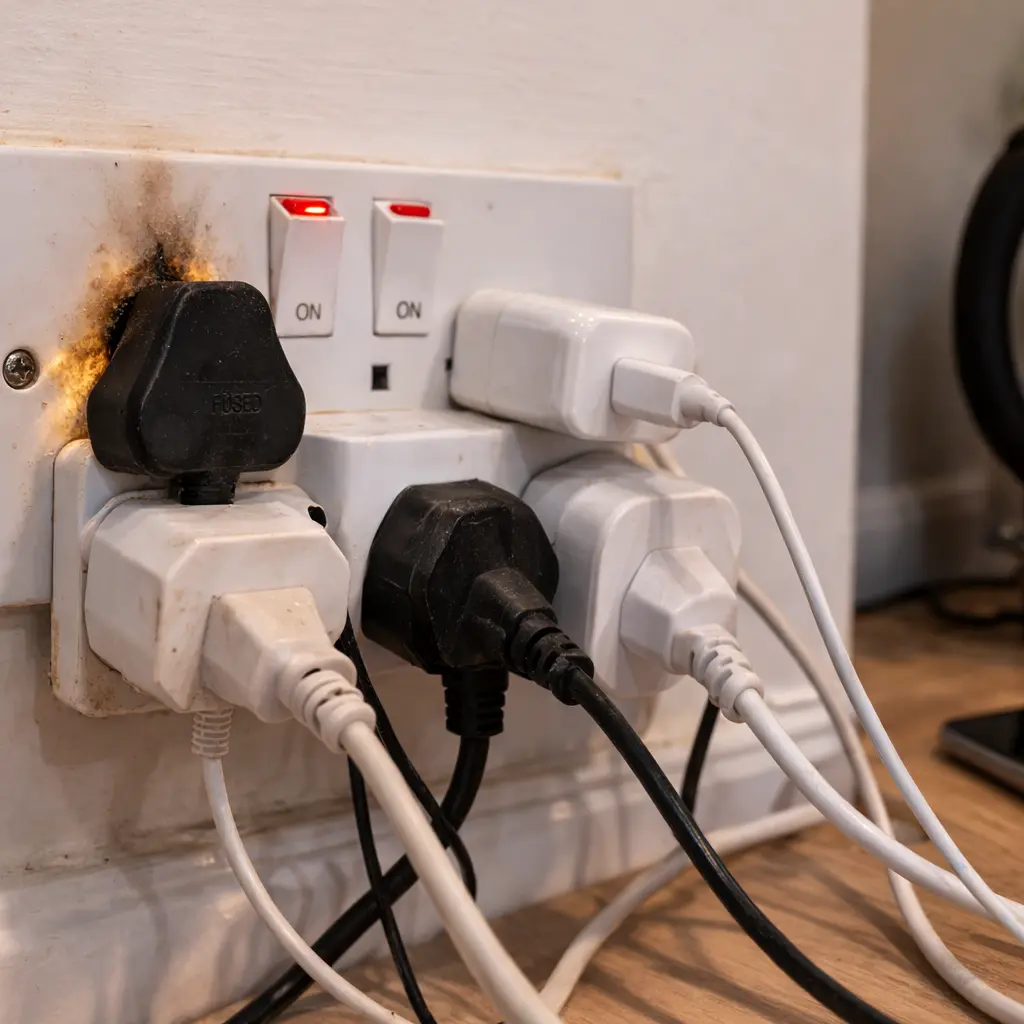
A common electrical mistake is connecting several appliances to one socket. Double sockets provide convenience, but they still have electrical limits. Running several appliances at the same time increases the electrical load placed on the socket and the circuit.
Running multiple high-power appliances from the same socket may also increase electricity consumption. Over time, excessive electrical load can contribute to a noticeable rise in household electricity bills.
This often happens when adaptors or extension leads are used to power several devices from the same outlet. Situations such as placing two plugs into one socket through adaptors can lead to overheating. Electrical systems in residential and commercial properties are designed to handle the specific load, and exceeding it may place strain on the wiring.
Understanding Electrical Load Limits
Each socket forms part of a wider electrical circuit that supports a limited amount of power. When too many appliances operate at once, the wiring and socket may struggle to manage the demand.
Warning signs of excessive load include:
- Warm plug sockets
- Burning smells near fittings
- Flickering lights
- Tripping the fuse box or circuit protection
Understanding these limits plays an important role in plug socket safety. If multiple appliances are required in one area, installing additional sockets can be a safer solution.
Mistake 2: Using Damaged Plugs Can Lead to Overheating and Electrical Risks
Frayed Cables and Exposed Wiring
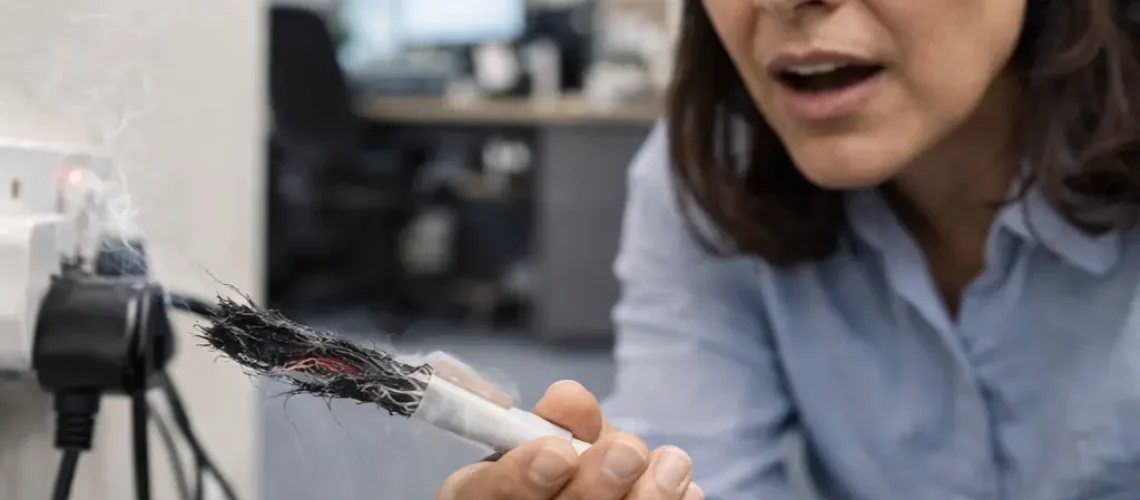
Damaged plugs and worn cables can create electrical hazards. Over time, appliances experience wear through daily use.
Damaged cables may allow electricity to escape from the intended pathway, creating sparks or overheating. This risk becomes greater when high-power appliances are connected to busy sockets.
Regularly checking appliance plugs and cables can help prevent problems. Signs that may indicate damage include:
- Frayed electrical cables
- Loose wiring
- Damaged appliance plugs
- Cracked plastic around plug fittings
Replacing damaged plugs promptly helps maintain safer electrical systems.
Preventing Heat Damage from Overloaded and Faulty Connections
When damaged plugs are combined with an overloaded socket, the electrical load can place additional strain on the wiring. Faulty wiring can produce heat that gradually damages the socket and surrounding materials.
These issues can develop into serious electrical faults if ignored. Maintaining safe connections and replacing worn appliances helps protect the electrical installation from damage.
If sockets or plugs show signs of heat damage, arranging a professional electrical inspection may help ensure the installation remains safe.
Mistake 3: Daisy Chaining Extension Leads
Why Connecting Multiple Extension Leads Is Dangerous
Daisy chaining occurs when one extension lead is plugged into another to create additional sockets. Although convenient, this practice is a frequent cause of overloaded circuits.
Using several extension leads from the same socket can place strain on the wiring and increase the risk of overheating. This can place excessive demand on the socket, especially when several appliances are operating at the same time.
The risk increases further when high-power household appliances are connected. Equipment such as heaters, cooking appliances, and refrigeration units require significant electrical load.
Understanding why not to plug multiple extensions into one socket is an important part of electrical safety.
Safer Alternatives for Additional Power
Instead of relying on several extension leads, safer options include:
- Installing additional plug sockets
- Using professionally fitted outlets in areas with high appliance use
- Avoiding adaptors that increase the socket load
An electrician can assess the electrical installation and recommend suitable improvements. Additional sockets are often installed in kitchens, offices, or living spaces where several appliances are regularly used.
Mistake 4: Forcing Plugs Into Sockets
Damage to Plug Pins and Socket Components
Forcing plugs into sockets can damage both the plug and the socket itself. Bent pins may create loose connections, interrupting the flow of electricity.
Loose connections often lead to sparks or an inconsistent power supply. Over time, this can damage internal socket components and lead to faulty fittings.
Maintaining plug and socket condition is essential for safe electrical operation.
Increased Risk of Electric Shock
Damaged sockets or loose wiring may expose live electrical parts, increasing the risk of electric shock if someone comes into contact with the affected area.
Electrical faults caused by damaged sockets may also affect other appliances on the same circuit. Ensuring plugs fit properly and replacing damaged sockets helps maintain safe electrical environments.
Mistake 5: Ignoring Warning Signs of Faulty Sockets
Common Warning Signs of Faulty Electrical Sockets
Electrical systems often provide warning signs before serious faults develop. Recognising these signals early can prevent further damage.
Common signs include:
- Hot plug sockets
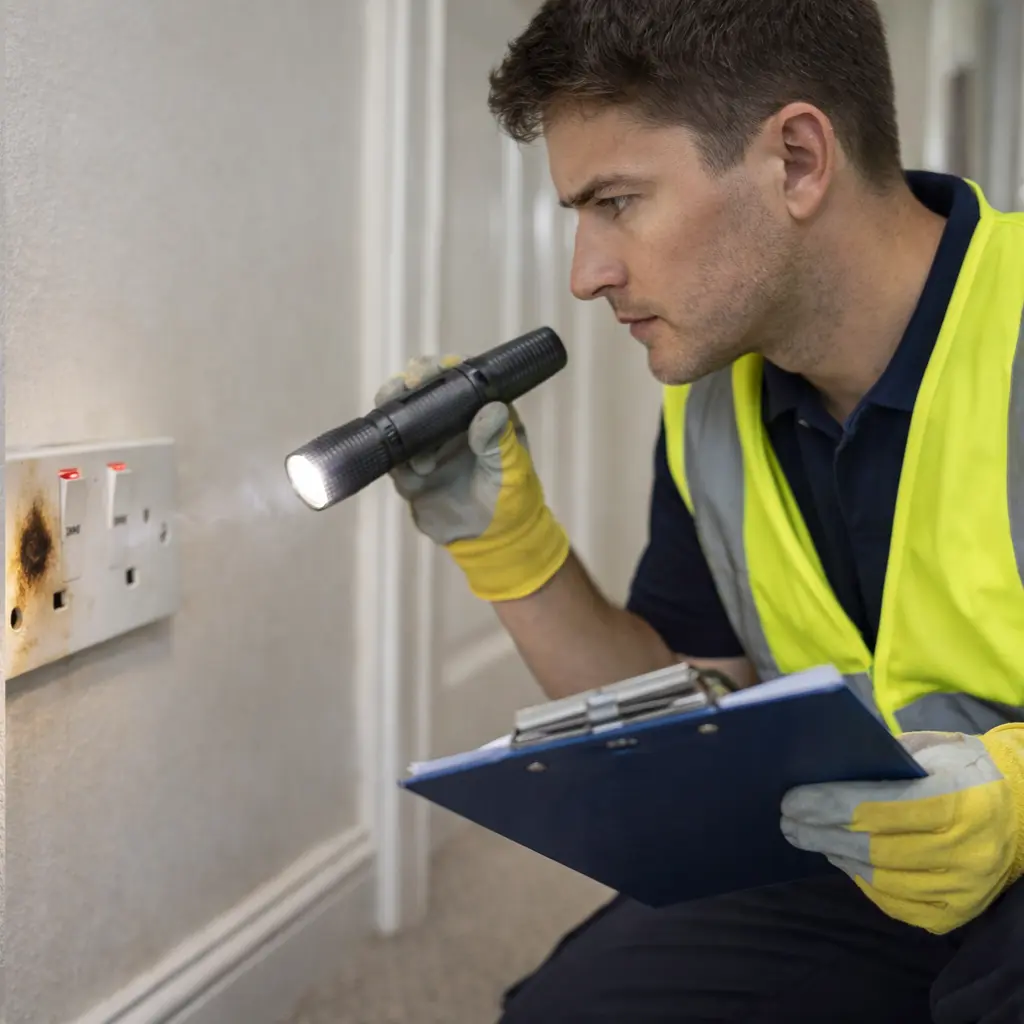
- Scorch marks around sockets
- Flickering lights
- Burning smells near electrical fittings
- Sparks when plugging in appliances
These symptoms may indicate loose wiring, damaged components, or excessive electrical demand.
Lights that take time to turn on can also indicate an electrical issue within the circuit. Delayed lighting may occur when sockets or wiring are under strain from excessive electrical demand.
When to Contact an Electrician
If these warning signs appear, arranging an electrical safety inspection is recommended. A qualified electrician can examine the installation and identify faults before they worsen.
Professional maintenance helps detect problems such as damaged wiring, overloaded circuits, or worn fittings. Homeowners, landlords, and businesses experiencing unusual electrical behaviour may benefit from contacting Rose Electrical for practical advice and reliable electrical services.
Conclusion
An overloaded plug socket is a common but avoidable electrical issue. Connecting too many appliances, using damaged plugs, or relying heavily on extension leads can increase the risk of overheating and electrical faults.
Managing appliance usage, recognising warning signs, and maintaining electrical fittings all contribute to safer electrical systems. Simple precautions can significantly reduce the dangers of overloaded sockets.
If you suspect an overloaded socket or notice unusual electrical behaviour in your property, seeking professional assistance may help prevent further problems. Rose Electrical provides experienced electrical services to ensure installations remain safe, efficient, and properly maintained.
