Introduction
Many homeowners ask the same question when their lighting does not respond immediately. If you have ever wondered why lights take time to turn on, the cause is often related to the electrical installation, the light fitting, or the switch itself. While many lighting systems operate instantly, others may show a delay because of wiring issues or problems within the lighting components. Frequent electrical issues should be checked by a professional electrician to ensure everything is working safely.
A light takes a long time to turn on when electricity does not reach the fitting smoothly or when internal components require extra time to activate. Identifying the cause early helps prevent further electrical problems and ensures the lighting system continues to operate safely.
What Causes a Delay in a Light Switch?
A common concern among property owners is why is there a delay in my light switch when turning on the lights. The switch controls the electrical circuit that allows power to reach the light fitting. If the switch or its internal contacts are worn, the light may not respond instantly.
Lighting delay may also occur when components within the circuit take longer to activate.
Dirty or Loose Connections in the Lighting Circuit
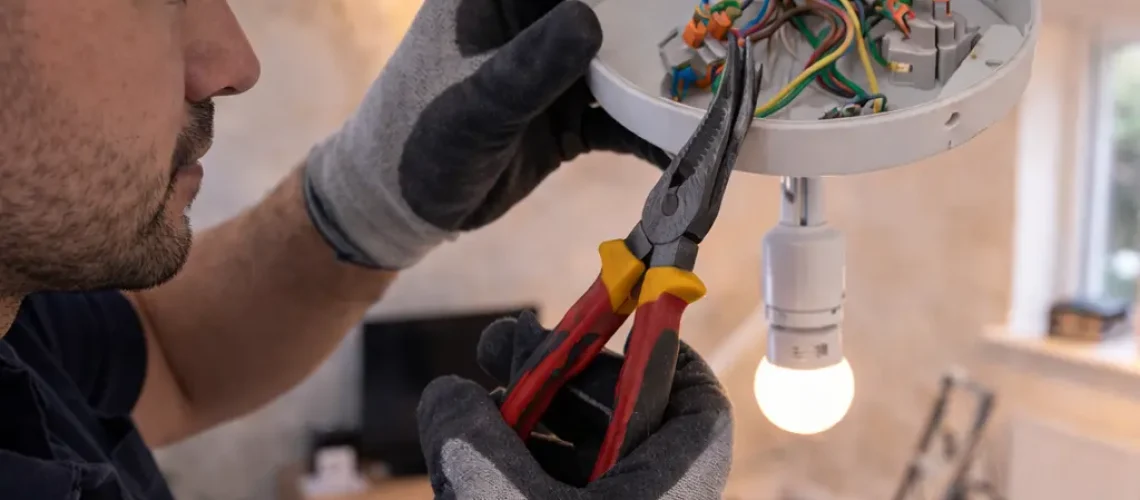
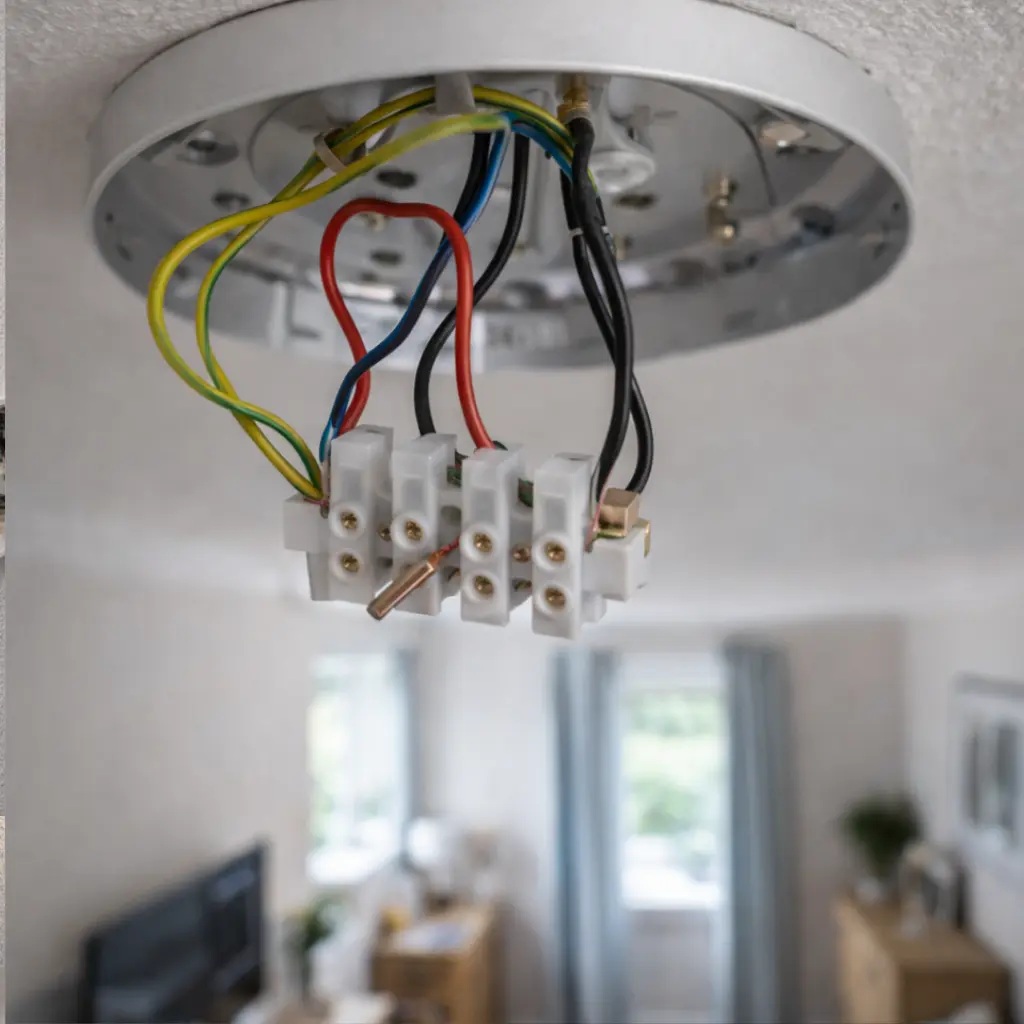
Electrical connections allow current to travel through the lighting circuit. When these connections become loose or worn, the electrical flow may slow down.
Loose connections may result in:
- Lights slow to turn on
- Flickering LED lights
- Inconsistent lighting response
Electrical connections can loosen gradually due to normal property movement or long term use. Regular electrical inspection helps ensure that connections remain secure.
Power Supply Issues Affecting Lighting
Another possible cause of delayed lighting is instability in the electrical power supply. Modern lighting systems rely on stable voltage to operate correctly.
Power supply issues may include:
- Circuit voltage fluctuations
- Electrical surges affecting lighting
- Overloaded lighting circuits
Plug socket overload can also affect the stability of the electrical supply within a property. When too many appliances are connected to a single socket or circuit, the increased electrical load may interfere with lighting performance and cause delays when lights are switched on.
When voltage levels vary, lighting fixtures may require extra time to activate fully.
LED Driver or Transformer Problems
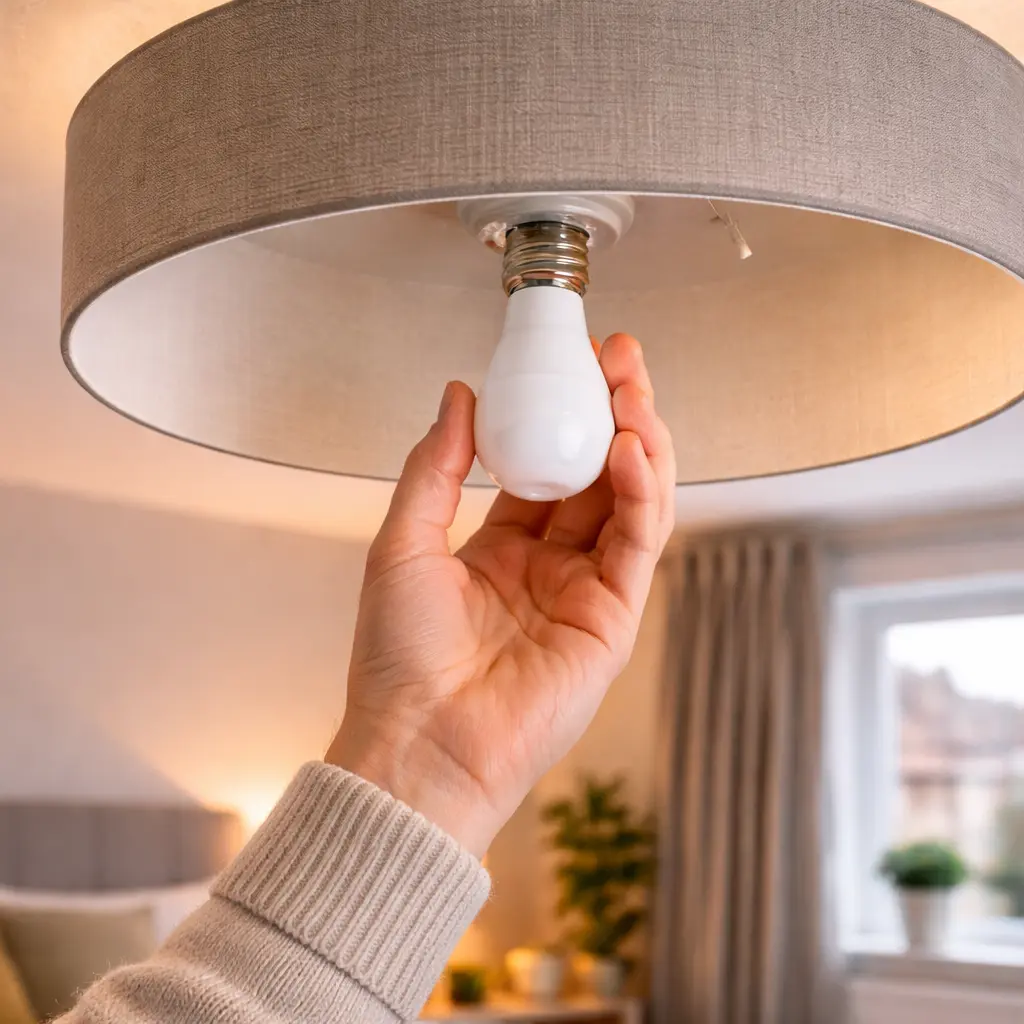
Modern LED lighting relies on specialised components that regulate electricity before it reaches the bulb. If these components fail, the light may not respond immediately.
Common causes include a faulty LED driver, issues with the LED transformer, or an incorrect voltage supply to the fitting. When these components malfunction, an LED light switch delay can occur even when the bulb itself is functioning properly.
Lights Flickering Before Turning On
Some property owners notice LED lights flickering before reaching full brightness, which can indicate that the electrical current is not reaching the fixture consistently.
This issue may be caused by flickering LED bulbs, an unstable power supply, or compatibility problems with LED dimmer switches. In particular, incompatible dimmers can interfere with how electricity is delivered to the lighting, resulting in irregular performance.
Lights Are Not As Bright As They Should Be
Lighting delay may also occur alongside reduced brightness. In some situations, LED lights may not reach their expected brightness immediately after switching on.
This can be caused by general brightness issues, the use of low-brightness LED bulbs, or gradual dimming as the lighting ages over time. As components wear with regular use, the overall performance of the fitting may decline, affecting both brightness and response.
Overheating Within the Light Fixture
Although LED lighting produces less heat than traditional lighting, overheating can still occur, particularly in enclosed fittings. This may result from LED bulb overheating, heat damage within the fitting, or poor heat dissipation in enclosed light fixtures. When internal components become too warm, the lighting system may take longer to activate or respond as expected.
Signs of a Faulty Light Switch
Recognising signs of a faulty light switch can help identify lighting issues early.
Common warning signs include:
- Lights taking longer than usual to turn on
- Flickering when switching on
- Buzzing sounds near the switch
- Warm switch plates
If these symptoms appear frequently, the switch or wiring may require professional inspection.
When to Contact an Electrician
Lighting delay does not always indicate a serious issue, but persistent problems may suggest faults within the electrical installation. Property owners may wish to seek professional assistance if they experience lighting circuit malfunctions, faulty LED light fixtures, or other electrical issues affecting LED performance. Rose Electrical provides electrical services for both residential properties and commercial premises. If your lights take longer than expected to turn on, a professional inspection can help identify the cause safely and ensure the system continues to operate reliably.
Conclusion
If you are wondering why lights take time to turn on, the delay may be caused by wiring problems, faulty switches, unstable voltage, or issues within LED components.
Recognising these signs early helps maintain a safe and reliable lighting system. Regular inspection ensures electrical installations continue to operate correctly.
If your lights are slow to turn on or you suspect a delay in your light switch, contacting Rose Electrical can help ensure your lighting system remains safe and properly maintained.
