Quick Summary
Single-phase power suits most homes and light loads, while three-phase power delivers steadier, higher-capacity supply for heavy equipment and many businesses. The right choice depends on your property and the demand you place on it.
Why the three-phase vs single-phase question comes up
Most people never think about how electricity reaches their sockets until something changes. Perhaps you are adding an EV charger, a heat pump or a workshop, and an electrician mentions your supply.
Suddenly, the phrase ” three-phase power” appears, and it is not always explained clearly. Understanding the difference helps you plan upgrades sensibly and avoid paying for capacity you do not need.
As experienced Doncaster electricians working across homes, offices and industrial units, we answer this question often. Let’s break down what actually sets the two supplies apart.
What is single-phase power?
Single-phase power is the standard electricity supply in most UK homes. It uses one live conductor and one neutral conductor, with an earth for safety, and runs at roughly 230 volts.
Think of it as one steady stream of alternating current. The voltage rises and falls in a single wave, dipping to zero at regular points in the cycle.
For lighting, sockets, a kettle, a fridge and everyday appliances, that is perfectly adequate. Most households never need anything more.
What is three-phase power?
Three-phase power uses three live conductors instead of one, each carrying its own wave of alternating current. The three waves are offset from one another by 120 degrees, so they peak at different moments.
The practical result is a smoother, more constant delivery of energy. As one phase dips, another is rising, so the overall supply rarely drops to zero. In the UK, a three-phase supply typically provides around 400 volts between phases and 230 volts from any single phase to neutral.
This is why heavy machinery, large motors and demanding commercial kits are usually built to run on it. It handles high, continuous loads without straining.
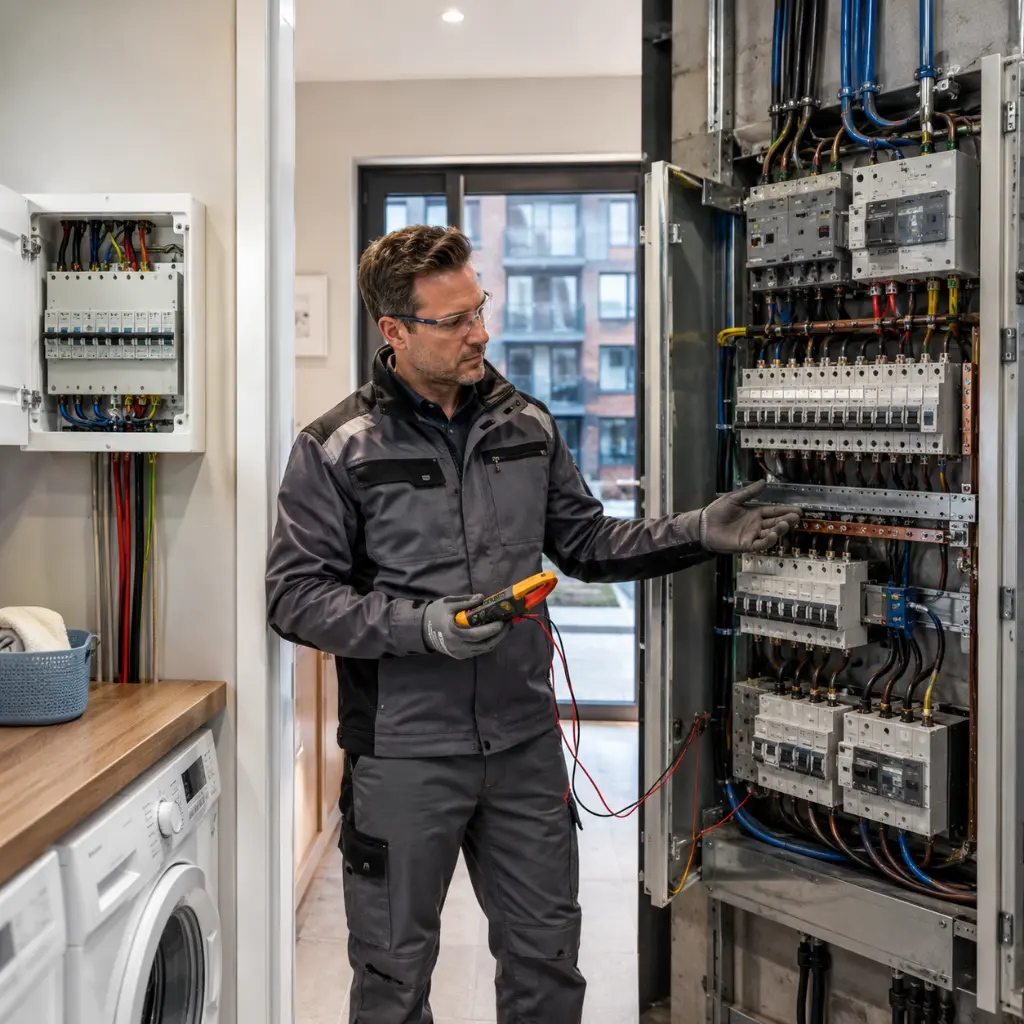
The main differences between three-phase and single-phase power
The clearest way to compare them is to look at capacity, stability and typical use. Both are alternating current, but they behave differently under load.
Power capacity
A single-phase supply is well suited to lighter, intermittent demand. A three-phase supply can carry far more power across its three conductors, which makes it the natural fit for equipment that pulls a lot of current.
Stability of supply
Because three phases overlap, the power delivery stays more even. Motors run more smoothly, with less vibration and less strain on startup, which can extend the life of the equipment.
Wiring and installation
Single-phase wiring is simpler, using fewer conductors. Three-phase wiring is more involved and should only ever be installed and tested by a qualified electrician, as the higher capacity carries greater risk if it is done poorly.
Single-phase or three-phase: which supply suits your property?
There is no single answer, because it depends entirely on what you are running. The demand for the property decides the sensible option, not preference.
Homes and light commercial
Most homes and flats only require a single-phase electricity supply to meet their everyday power needs. A standard single-phase supply is also suitable for most electric showers, provided the circuit is correctly installed and protected. If you are fitting a standard EV charger, replacing an electric shower, or upgrading your lighting, your existing supply is usually more than adequate. Our domestic electrical services can assess your setup and ensure everything is installed safely.
Some larger homes with heat pumps, multiple fast chargers or a substantial workshop may benefit from an upgraded supply. That is a conversation worth having before you commit to new equipment.
Businesses, workshops and industry
Offices with heavy heating, cooling or catering equipment often lean towards three-phase for reliability. Our commercial electrical services frequently involve assessing whether a site has the capacity for its equipment demands.
Factories and larger units almost always rely on it. If you run motors, pumps or production machinery, our electrical work for industrial units is built around exactly these loads.
A real example from the field
A café owner contacted us because a newly installed commercial oven repeatedly tripped the electrical supply and wasn’t operating correctly. When we looked, the equipment was designed for a three-phase supply, but the unit only had a single phase available.
Rather than pushing the largest possible upgrade, we arranged a three-phase supply sized to the oven’s actual demand, working with the district network operator to bring in the extra capacity. The oven has run without a single trip since, and the café now has headroom for further kitchen equipment down the line.
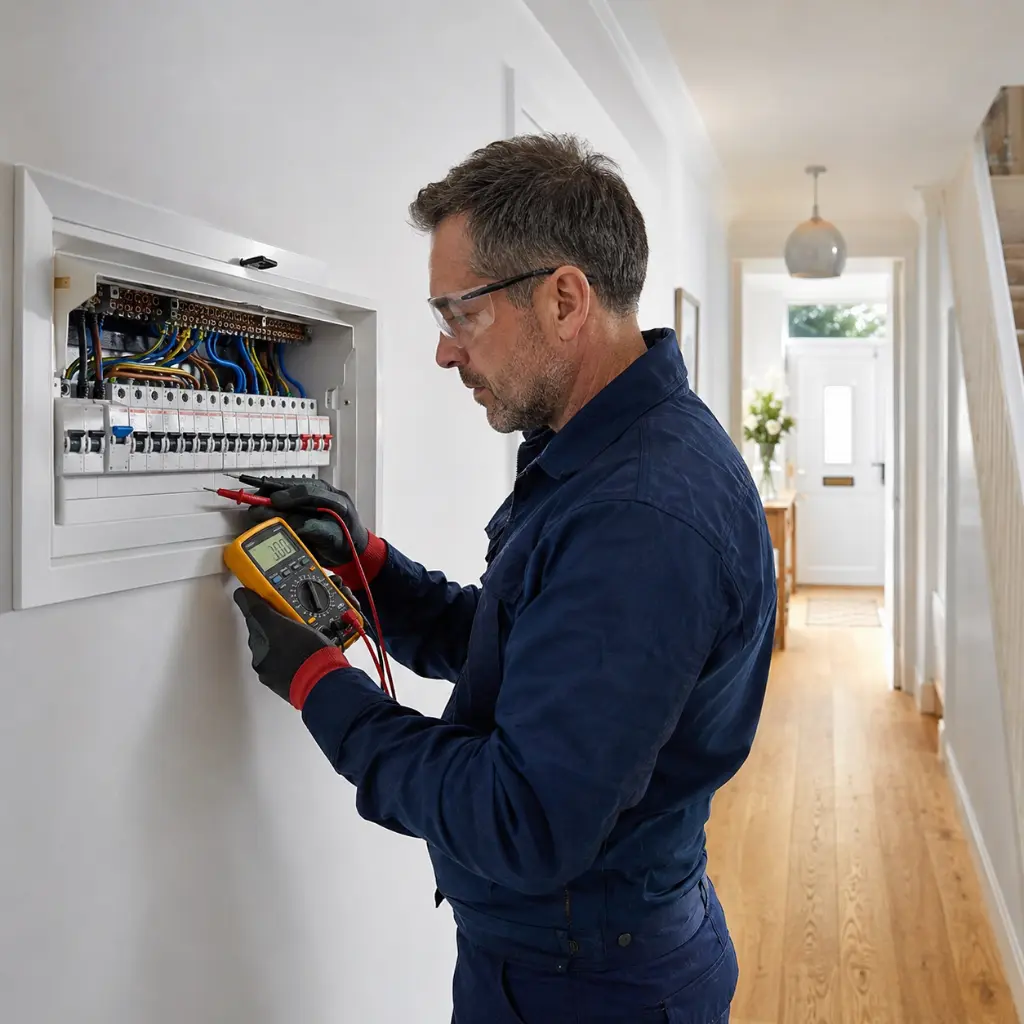
Signs your property may need three-phase electricity
You do not need to be an engineer to spot the early clues. A few patterns tend to point towards a supply that is working near its limit.
Frequent tripping when several heavy appliances run together is a common problem. Motors that struggle to start or lights that dim noticeably when equipment switches on can also hint at strain.
If any of that sounds familiar, it may be time to arrange a fuse board or distribution board upgrade and have the supply properly assessed.
When to call a qualified professional
Anything involving your incoming supply or distribution board is work for a professional, not a weekend project. The voltages involved are dangerous, and changes usually need to meet strict standards and notification requirements.
Our qualified electricians work across domestic, commercial and industrial properties, giving us experience with everything from household consumer units to full three-phase electrical installations. That breadth of expertise means we can recommend the right solution based on your property’s actual power requirements.
If you are unsure what you already have, an electrician can confirm it quickly and safely. Guessing, or relying on an unqualified person, can lead to unsafe installations and costly repairs.
Final thoughts
The difference between three-phase power and single-phase power comes down to capacity and stability. Single phase covers everyday domestic life comfortably, while three phase supports the heavier, continuous demands of business and industry.
If you are planning new equipment or an upgrade in Doncaster, the sensible first step is a proper assessment of your current supply. Get that right, and everything you add afterwards runs more reliably.
Let’s match the supply to your property
Whether you’re considering an upgrade or simply want to understand your existing electrical supply, our qualified electricians are here to help. We’ll explain your options clearly and recommend the most suitable solution for your home or business.
