Introduction
Motion sensor outdoor light problems are one of those frustrations that always seem to appear at the worst possible moment, often on a dark, wet evening when you most rely on the light coming on. These fittings are popular across UK homes for good reason, offering both security and safe access to driveways, paths and doorways through the long winter months. The good news is that most faults have a straightforward cause, and many can be sorted without specialist help. If a problem proves more stubborn than expected, professional outdoor lighting services in Doncaster can help identify the cause and ensure the installation continues to operate safely and reliably. This guide walks through the problems you are most likely to encounter, the simple fixes worth trying yourself, and the point at which it makes sense to call a qualified electrician.
How Outdoor Motion Sensor Lights Work
Most outdoor security lights rely on a PIR sensor, which detects movement by picking up changes in heat across its field of view. When something warm passes by, the sensor switches the light on for a set period before turning it off again. Three settings usually govern how it behaves: sensitivity, detection range and a timer that controls how long the light stays lit. Because these fittings sit outside in all weathers, their exposed position makes them more prone to niggles than indoor lighting.
The Light Will Not Come On
A light that stays dark when you need it is the most concerning fault, particularly for security. The cause is often a power supply issue, such as a tripped breaker at the consumer unit or a blown fuse. Loose or weather-damaged wiring can also interrupt the supply, especially where moisture has crept into an outdoor connection. In other cases, the settings are to blame, with the sensor set to daytime only or the sensitivity turned too low to register movement. A bulb or fitting that has simply reached the end of its life is worth ruling out, too.
The Light Stays On Constantly
A light that refuses to switch off is equally annoying and tends to have its own set of causes. The most common is a timer or hold time set too long, leaving the light burning well after movement has stopped. Sensitivity set too high is another culprit, picking up the smallest activity and keeping the fitting active. Nearby heat sources can confuse the sensor as well, and some lights become stuck because they have been left in a manual or test mode by mistake.
The Light Triggers for No Reason
False activations are a frequent grumble, and changeable British weather often plays a part. Swaying foliage, washing on the line, passing traffic and roaming pets can all set a sensitive light off without anyone approaching. Wind, rain and pockets of warm air moving across the garden add to the problem during unsettled spells. Reflective surfaces and heat drifting from vents or flues can trick the sensor, too. Quite often, the real issue is simply poor positioning, with the light aimed at exactly the things that keep triggering it.
Simple Fixes You Can Try Yourself
Before reaching for the phone, several safe checks resolve a good number of outdoor motion sensor lights faults. Working through them in order usually does the trick.
Clean the Sensor Lens
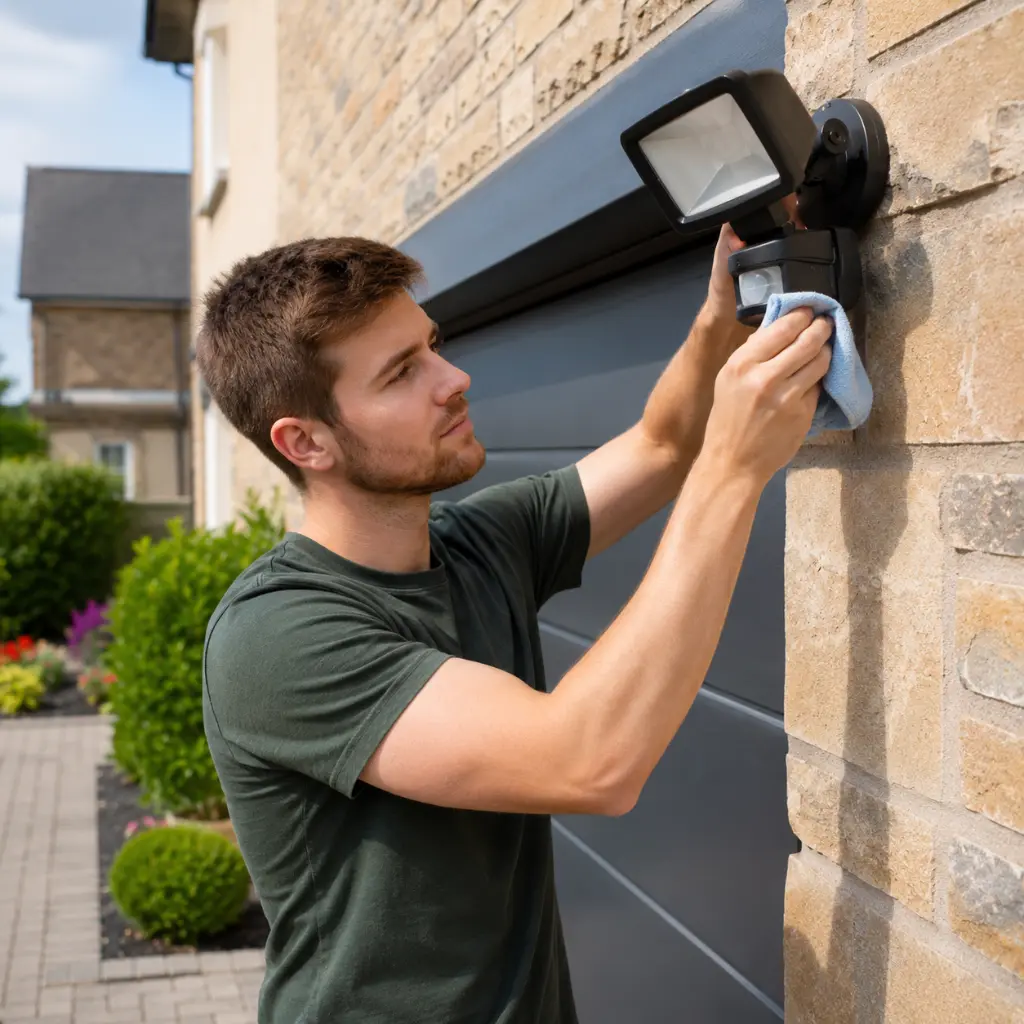
The sensor lens needs a clear view to work properly. Over time, dirt, dust, cobwebs and clusters of insects gather over it, blocking detection and causing erratic behaviour. Cleaning the sensor gently with a soft, damp cloth is often enough to restore proper operation, and repeating this periodically helps keep the fitting working reliably.
Adjust Sensitivity, Range and Timing
Most fittings have small dials or switches that let you fine-tune how they respond. If the light triggers too readily, easing the sensitivity down helps, while widening it assists a light that misses genuine movement. Adjusting the range narrows or extends the area covered, and shortening the timer stops the light from lingering. A little patient trial and error tailors the fitting to its exact spot.
Reposition or Re-Aim the Light
Where a light keeps misbehaving, the angle is often at fault. Aiming it away from overhanging branches, busy pavements, vents, and reflective walls reduces unwanted triggers considerably. Pointing it towards the area you actually want covered, such as a path or doorway, makes it far more dependable.
Reset the Light
Like any electronic device, a sensor light can occasionally glitch. Switching it off at the wall for a short while, then back on, clears many minor faults and returns the fitting to its normal settings.
Outdoor Lighting Faults That Should Be Professionally Tested
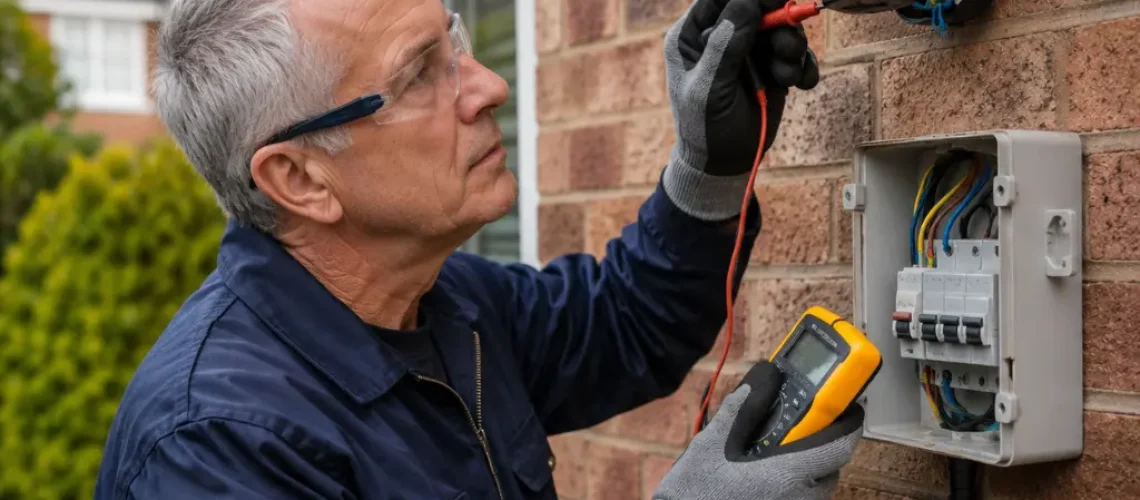
Some outdoor lighting faults require more than basic troubleshooting and should be professionally tested. Water ingress is a common issue in the UK, particularly where seals have failed or fittings no longer provide adequate weather protection. Moisture inside the light, PIR sensor or junction box can cause unreliable operation, corrosion and eventual failure.
Damaged outdoor cabling, corroded terminals and failed PIR sensors are also common causes of persistent faults. In some cases, electrical disturbances and voltage spikes can affect sensitive sensor components, particularly where surge protection is lacking. Repeated RCD trips, visible signs of condensation or fittings that continue malfunctioning after basic adjustments often indicate a deeper electrical problem.
Outdoor lights should also have suitable IP ratings for their location, with weatherproof connections properly protected from the elements. If you notice any of these issues, Rose Electrical can inspect the installation, identify the fault and ensure everything remains safe, reliable and properly protected against the weather.
Keeping Outdoor Lights Reliable
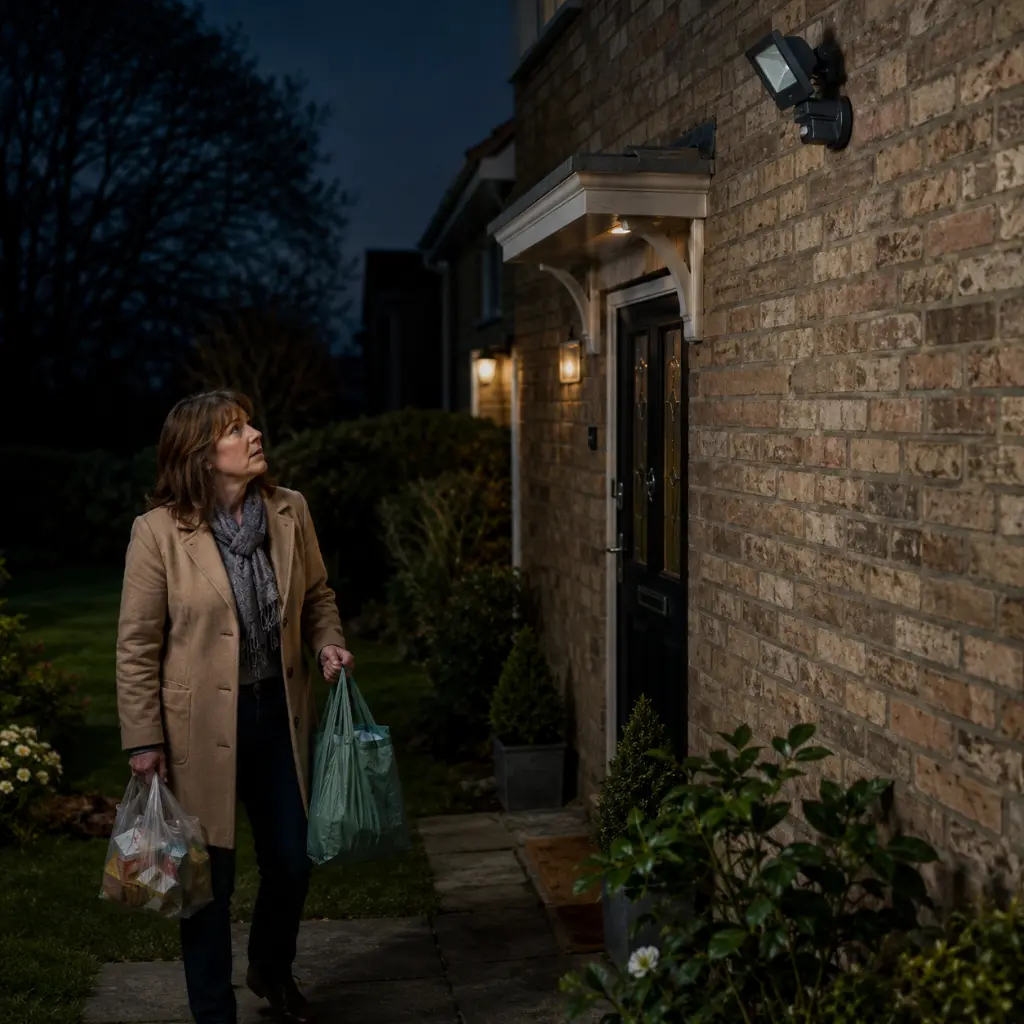
A little routine care keeps these fittings dependable year after year. An occasional clean and a quick check before winter, when you depend on them most, goes a long way towards avoiding surprises. It also helps to recognise when an ageing light has had its day, as a fitting that fails repeatedly is often better replaced than nursed along. When replacing older fittings, it is also worth considering the colour temperature of the light, as different LED options can affect both visibility and the appearance of outdoor spaces . When the time comes, professional installation gets the positioning, wiring and weatherproofing right from the outset, which is exactly what reliable outdoor security lights need. Proper security lighting installation saves a great deal of bother later.
Conclusion
Most motion sensor outdoor light problems trace back to a clear cause, whether that is a dirty lens, an awkward setting or a fitting in the wrong spot. A few simple checks resolve the majority, leaving only the genuinely electrical faults for a professional. Knowing where that line falls helps you act sensibly and keep your home secure through the darker months. If your outdoor lighting is giving you trouble that goes beyond a quick fix, Rose Electrical is always happy to help.
