Introduction
Socket replacement plays an important role in maintaining a safe electrical installation within any property. Sockets supply power to everyday appliances, lighting, and electronic devices used throughout the home or workplace. If you notice any unusual electrical behaviour, it may be worth arranging a professional electrical inspection to identify the cause.
With regular use, sockets can deteriorate, develop faults, or struggle to meet modern electrical demand. Recognising the signs that an electrical socket needs replacing can prevent electrical hazards and avoid disruption to your power supply. Understanding these warning signs allows property owners to address problems early and keep electrical systems operating safely.
The Lifespan of Electrical Sockets in UK Properties
Electrical sockets gradually wear down through everyday use. The internal contacts that hold plug pins firmly can weaken over time, and wiring connections may loosen after years of operation.
Older properties across the UK often contain ageing sockets installed decades ago. Although they may still function, their condition may no longer meet modern electrical safety expectations.
Several factors influence how long sockets remain reliable:
- Frequency of use
- Electrical demand from appliances
- Quality of the original installation
- Exposure to moisture or dust
- General electrical maintenance
If your property has not had an electrical inspection for many years, arranging a professional check can help determine whether sockets remain safe to use.
Signs of Wear or Physical Damage
Visible damage is one of the clearest indications that a socket may require replacement. Physical deterioration often suggests underlying electrical faults that could affect safety.
Typical warning signs include:
- Cracked faceplates
- Discolouration around the socket openings
- Burn marks near plug points
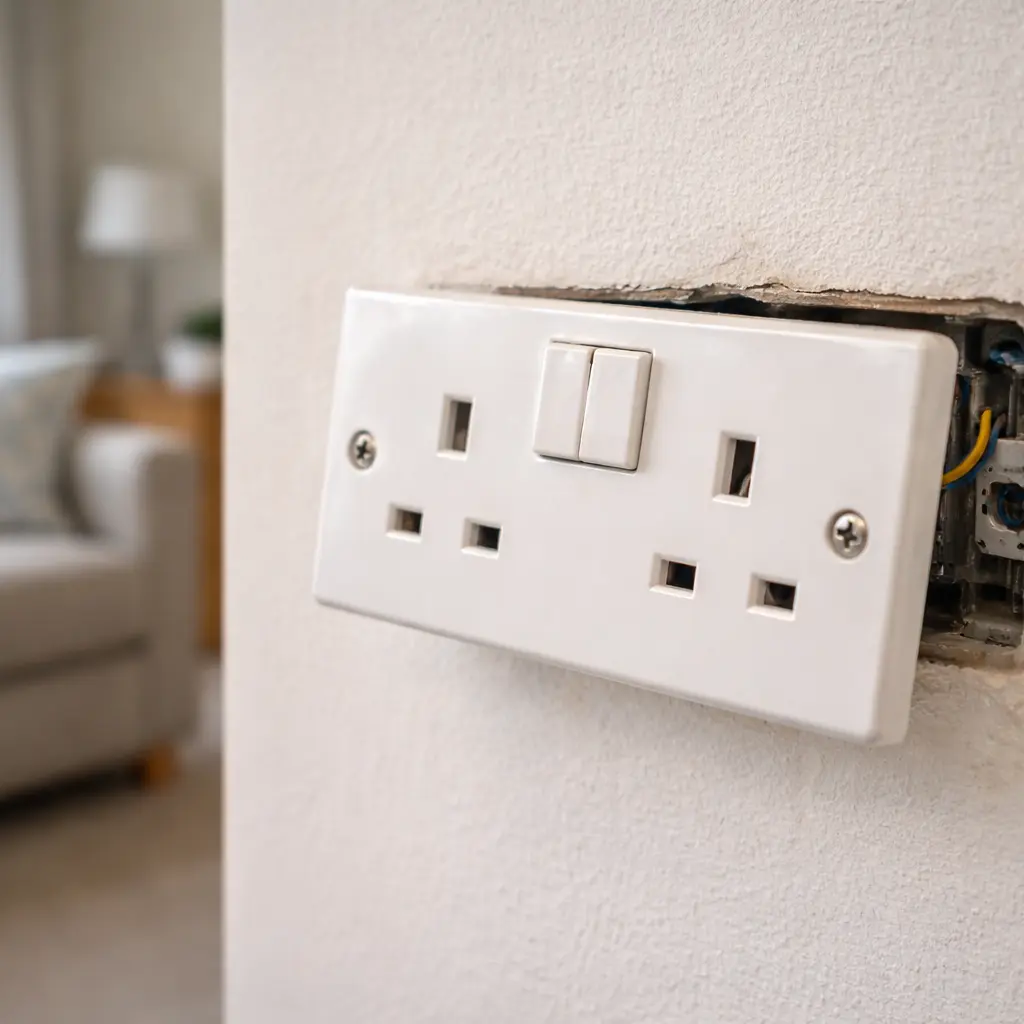
- Damaged or loose wall fittings
Replacing a damaged socket restores safe operation and helps reduce the risk of electrical hazards.
Plugs Not Fitting Securely
A plug should fit firmly into the socket and remain stable during use. When plugs feel loose or slide out easily, it usually means the internal contacts have worn down.
This problem can cause:
- Unstable power supply
- Interruptions while the equipment is running
A loose connection prevents appliances from receiving consistent power and can lead to electrical faults. Replacing worn sockets restores a secure electrical connection and prevents further damage to appliances.
Sparking, Crackling, or Burning Smells
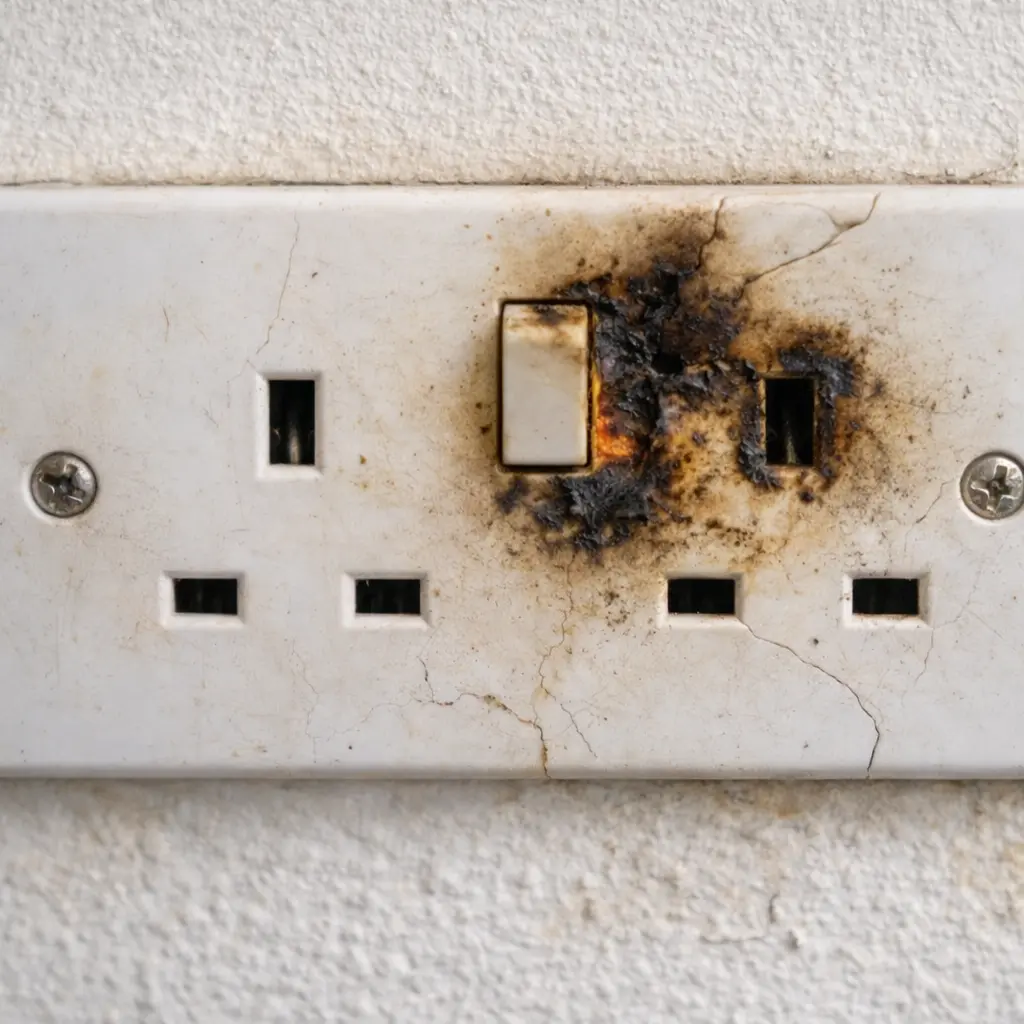
Unusual sounds or smells from a socket should never be ignored. Sparking or crackling when inserting a plug may indicate internal electrical faults.
A burning smell in the socket is a serious warning sign and may suggest overheating components or deteriorating wiring connections inside the socket. These problems can occur when electrical contacts degrade or when appliances place excessive load on the circuit.
Overheating Sockets
Sockets should remain cool during normal use. Warm or hot sockets indicate overheating, which can occur when electrical components struggle to handle the load.
Basic electrical safety rules should always be followed when using household appliances. Avoid overloading plug sockets and ensure electrical equipment is used according to manufacturer guidelines to reduce the risk of overheating and electrical hazards.
Possible causes include:
- High electrical demand from multiple appliances
- Loose wiring connections
- Ageing internal socket components
Modern homes rely heavily on electrical devices, particularly during colder months when heating equipment increases electricity usage. Ensuring sockets are capable of supporting this demand helps maintain a reliable electrical system.
Upgrading older fittings can improve both safety and performance.
Power Supply Problems
A socket that stops working or loses power intermittently may have internal wiring issues or loose connections. Before assuming the socket has failed, it is sensible to check the consumer unit or fuse box to confirm that no circuits have tripped.
If power problems continue while other sockets operate normally, the issue may be isolated to that particular point in the installation. Electrical sockets form part of a wider electrical wiring system that distributes power safely throughout a property.
Professional electrical testing can determine whether the problem lies within the socket itself or elsewhere in the wiring system. Rose Electrical provides electrical inspection services designed to identify faults and restore safe electrical performance.
Increased Electrical Demand in Modern Homes
Many older properties were not designed to support the large number of appliances commonly used today. Kitchens, heating equipment, and modern electronics can significantly increase electrical demand.
Older sockets may struggle to support this load, especially if the electrical installation has not been upgraded for many years.
Signs that the system may require improvements include:
- Repeated power interruptions
- Overloaded sockets
- Equipment that loses power unexpectedly
Modern socket installations are designed to accommodate current electrical requirements and support a reliable power supply across the property.
Why Professional Socket Replacement Matters
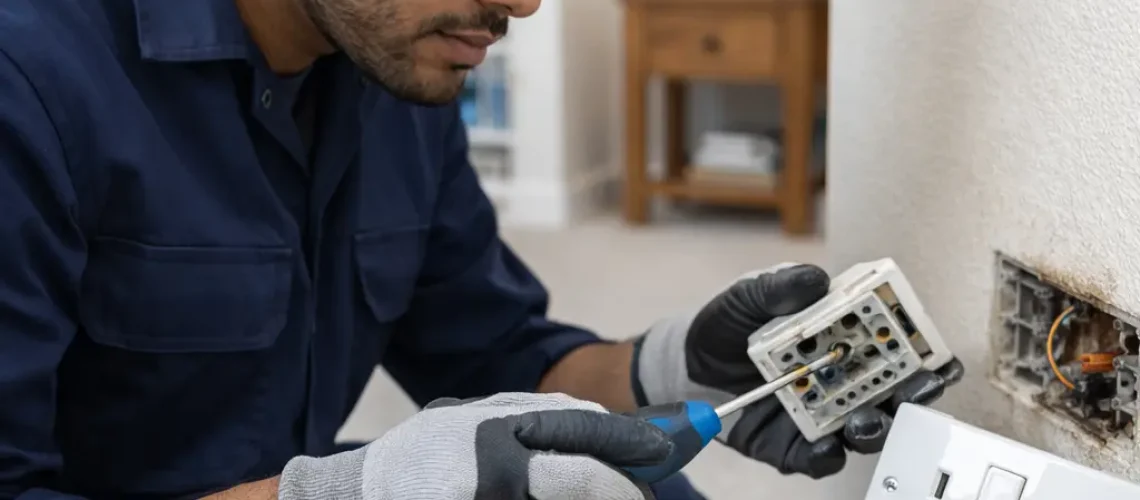
Professional socket replacement should always be carried out by a qualified electrician to ensure safety and compliance with UK regulations.
Electrical installations require proper testing and certification to confirm they are functioning safely and efficiently. A professional electrician ensures that all wiring connections are secure, conducts thorough safety checks, and installs sockets in line with current regulatory standards.
This not only guarantees reliable operation but also reduces the risk of electrical faults or hazards. In addition, a trained electrician can assess the wider electrical system, including the consumer unit and overall wiring condition, to identify any underlying issues.
Rose Electrical provides professional electrical services designed to resolve faults and maintain safe, reliable power systems across both residential and commercial properties.
Conclusion
Electrical faults often develop gradually, but early action can prevent more serious issues and potential safety risks. Addressing damaged or underperforming sockets at the right time helps maintain a stable and efficient power supply across your property. Regular inspections, combined with timely replacements, ensure your electrical system continues to meet modern demands without unnecessary strain. If any concerns arise, seeking professional assessment from Rose Electrical can help identify issues accurately and keep your installation operating safely and reliably.
